


BLOG

What is Deepfake, why is it dangerous? How will we fight against the threats created by Deepfake?

What is Deepfake, why is it dangerous? How will we fight against the threats created by Deepfake?

We work passionately to change the future with our young,

dynamic, and creative team

Osman S. Aktepe // Software Architect

Deepfake term is a combination of deep learning and fake. In the simplest terms, it means creating fake content by using deep learning. Let's clear something up before starting. Deepfake is quite different than nowadays's hot trend generative ai. Generative ai creates new and original content by using machine learning and ai, but deepfake changes some parts of current content, and creates a synthetic one.

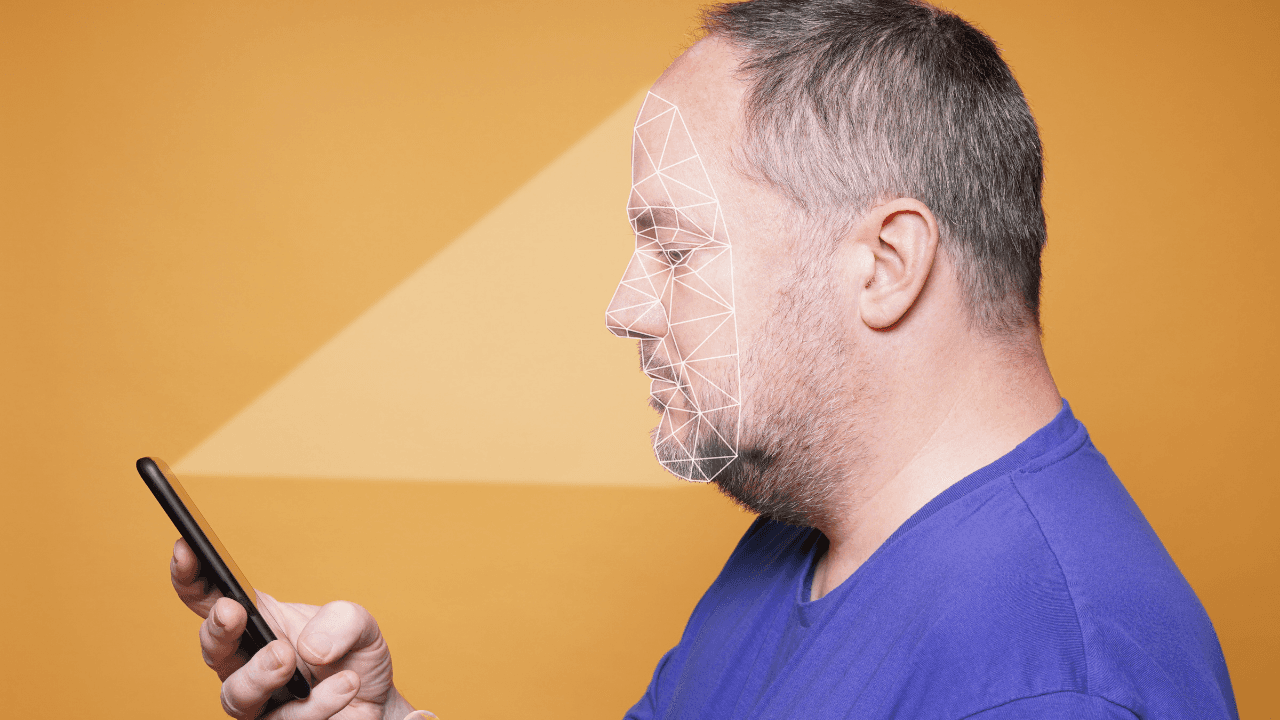
Deepfake is mostly used for face manipulation. The focus of these studies is swapping a person's face with another person's. The critical point is making the final result look natural. In successful content, the viewer doesn't detect that the face is not original. And lately, deepfake technology creates more and more successful results. Conceptual, this success can be achieved not only in images but also in video content too.


What kind of technology does Deepfake use?

‍The human eye can easily detect unsuccessful deepfake content. But successful content is hard to detect. To create a successful result content creators consider some elements.

The first of these elements is selecting similar faces. The presentive face and final face should have similar expressions, angles, and sizes. And another point is transitions. Transitions should be soft and smooth to make a more natural-looking image. A sharp transition between the head and background is an important tip to detect synthetic content. Transitions between face and body, head and body harmony, shadows, and lights on the face are crucial details too.

But why the human eye can not detect fake content? Why does ai do it better? Human perception is based primarily on connections and is weak on decision-making based on technical details. Let's explain it with an example. All cameras have a track named noise. This track is a result of the camera sensors' being imperfect. And they are unique for each camera sensor and work like a fingerprint for the sensor. If the presented face image and original face image were taken by different cameras, they will different noises. But the human mind can not detect it. It focuses on the consistency of the final image. So our most effective tool to detect this fake content is artificial intelligence.

Many different ways deepfake technology use. They all have advantages and disadvantages. But it is safe to say that whatever way they use they create more and more successful results. And these successful results become a great threat to society.

What kind of threat does Deepfake create?

‍Deepfake technology can be a dangerous tool in the hands of malicious users. It can be used for personal revenge, political interests, financial fraud, etc... Let's make it more clear by giving some examples:

-Deepfake technology can harm people's private and work life. An ex-emotional partner or an employee can create an inappropriate fake video by using the person's face and voice. Offensive statements, sexual videos, and inappropriate comments about employers can be created and published online to offend a person's prestige.

-Deepfake videos can manipulate society by using public figures' images and voices. Spreading fake news, creating fake donation campaigns, and directing people to bad investments are some goals of this kind of manipulation.

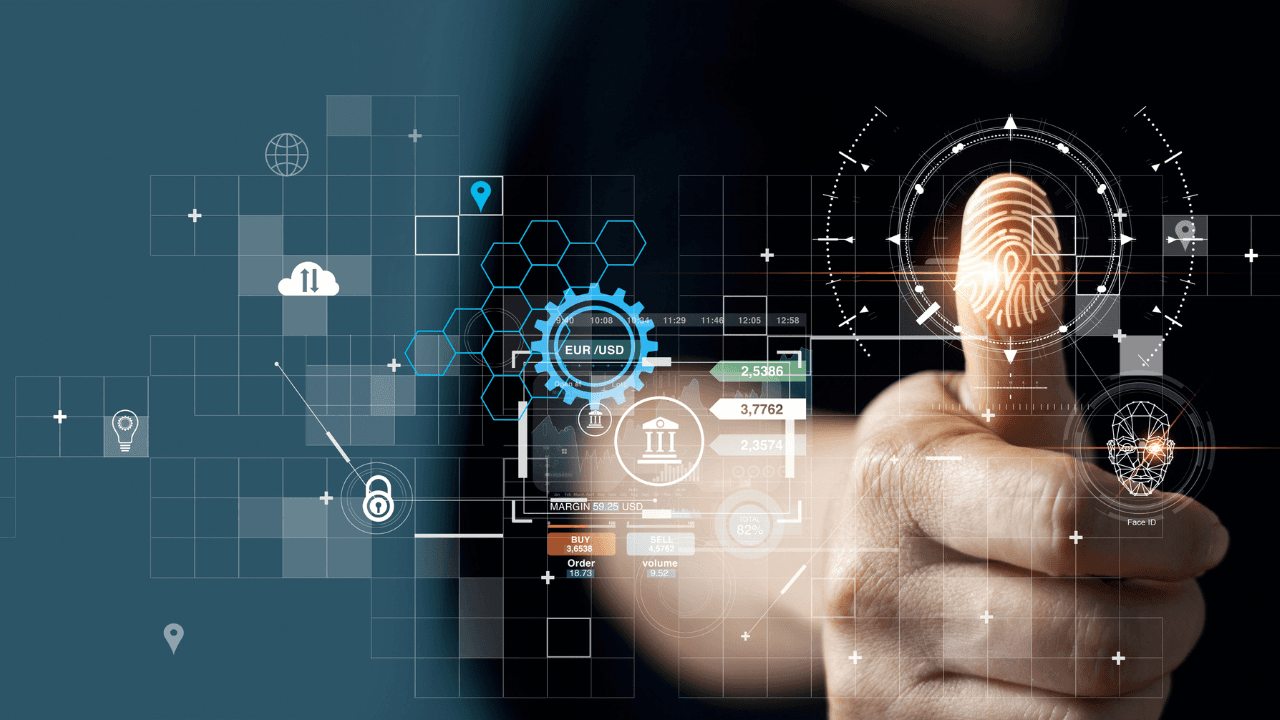
-Deepfake content can also be used to fraud online banking systems. Identity thieves can go into the systems by using a person's image created by deepfake.

How will we combat this threat? Can we fight against this developing technology, or did we already lose?

‍We learned that this technology grows really fast. So how will we combat this threat? First, we must accept that we can not trust our human eyes. That is too risky. We need to work with AI and direct it in the right way.

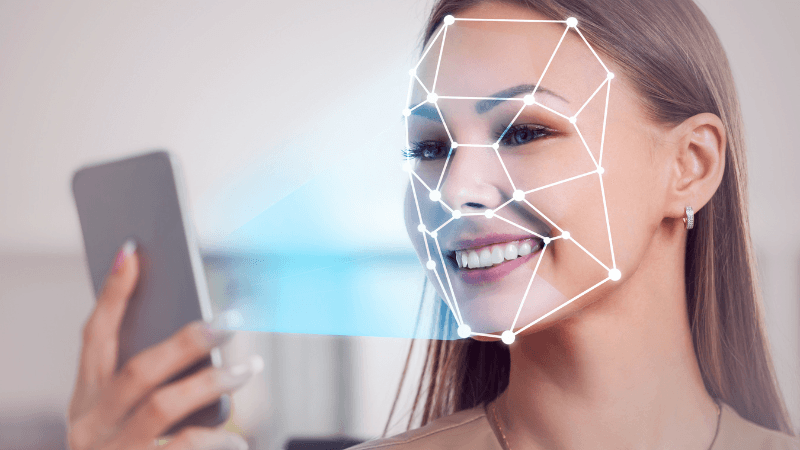
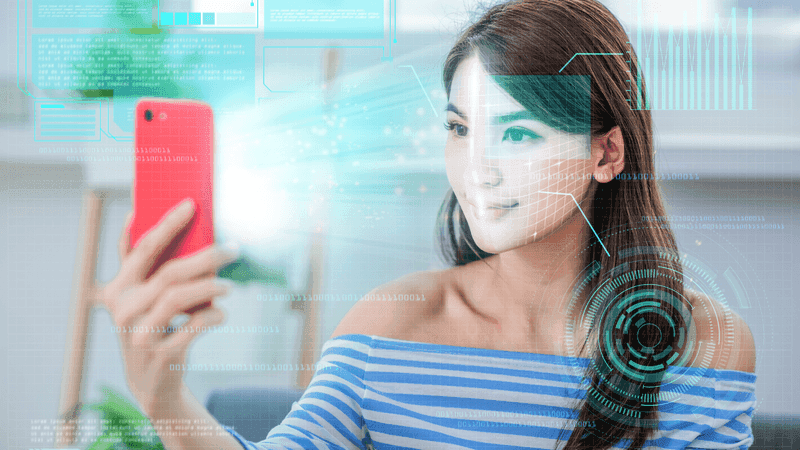
To combat our enemy, we need to know its weakness well. For example, deepfake technology creates very successful content when the face looks directly at the camera. But it is not as much as successful when the face looks another way. So there is a simple measurement to take: demand head movement to face recognition. Because in the synthetic videos created by deepfake, the image loses its clarity, especially around the nose, eye, and mouth. And this corrosion gives important tips to detect fake content.

Is knowing these tips enough to detect all deepfake content? Of course not! Because your AI can only learn what you teach. It can not catch a new method you didn't give it as data. Or a new technology can defeat your focused studies. So what do you need? You have to stay updated and feed your system with more and more data. Is it sustainable? Yes, but only if you have good partners and customers.

Now let's discuss this further. Is it possible that deepfake would reach a point that can not be detectable anymore? I want to look at human history to answer that. Historically, there were always frauds, and always some other people who fight against frauds. These two sides helped each other develop. So when the frauds found new methods, the protector found others. Personally, I don't think that an undetectable deepfake method is possible. I don't also see a future for deepfake, it will be replaced by generative ai in a short time. Generative ai will be able to create any content with a given face and text. That means you can make anyone tell anything in a fake video! And this content will not be synthetic, and these given tips will be useless. So what will we do in this scenario? How will we understand which video is fake? I don't have an answer to these questions yet. But if there is a lock for a door, we can always find a key to unlock it!

SHARE

BLOG

Digital Signature Types

Not all digital signatures are the same. Learn the legal distinctions between electronic, advanced, and biometric signatures—and how Techsign’s compliant, white-label biometric solution simplifies secure, remote signing for modern businesses.

Reycan Çetin // Growth Manager @Techsign

Are Our Passwords Secure Enough? How Will Password Usage Change in the Future?

Weak passwords cause 30% of data breaches—and “123456” is still widely used. Learn why multi-factor and biometric authentication are the future, and how Techsign secures digital access with AI-powered, customizable identity solutions.

Barış Korkmaz

How Much Return Do KYC Solutions Provide? ROI Calculations

KYC & ID Verification solutions drive ROI by reducing costs, boosting productivity, and improving digital security. With Techsign’s AI-powered tools, businesses streamline customer onboarding, ensure compliance, and unlock new digital potential.

Mehmet Nuri Aybar // Senior Business Development Consultant

Incubation and Acceleration Programs That Can Help Startups

Incubators and accelerators guide startups from idea to growth, offering funding, mentorship, and more. Learn the key differences, top global programs, and Techsign’s own journey from early incubation to global acceleration success.

Reycan Çetin // Growth Manager @Techsign

Deepfake Threat in Identity Verification for Financial Systems

Deepfake tech is now a serious threat to financial systems, enabling fraudsters to bypass ID checks and liveness tests. Learn how attacks evolved—and how Techsign’s AI-powered security stays one step ahead of even the most advanced Deepfakes.

Reycan Çetin // Growth Manager @Techsign

What is Deepfake, why is it dangerous? How will we fight against the threats created by Deepfake?

Deepfake uses AI to alter real content—posing growing risks from identity fraud to political manipulation. Learn how it works, why the human eye fails to detect it, and how AI-driven defenses are our best hope to counter its evolving threats.

Osman S. Aktepe // Software Architect

Crypto Currencies, Security Problems, and Solutions

Crypto offers speed and flexibility—but also raises security concerns. Learn how Techsign’s AI-powered KYC tools, including face recognition and deepfake-resistant liveness checks, help crypto firms stay compliant and secure in a high-risk landscape.

Reycan Çetin // Growth Manager @Techsign

What is Pay-by-Face / Where Can It Be Used / How Does It Work?

Pay-by-face enables secure, fast, device-free payments using facial recognition. Learn how Techsign’s AI-driven system protects biometric data, prevents fraud, and reshapes user experience—without storing your actual face image.

Reycan Çetin // Growth Manager @Techsign

How Can Technology Help To Build Safer Micro Mobility Solutions?

Micro-mobility is rising—but safety and regulation must keep up. Discover how Techsign’s KYC tools like OCR, face recognition, and age verification can help cities and scooter firms create safer, smarter, and more inclusive transport systems.

Reycan Çetin // Growth Manager @Techsign

The Difference Between AML and KYC: Understanding Two Vital Components of Financial Security

AML and KYC are vital to financial security—while KYC verifies identity, AML prevents money laundering. Learn how Techsign’s AI-powered, legally compliant KYC solutions simplify remote onboarding with secure document and biometric verification.

Reycan Çetin // Growth Manager @Techsign

Should KYC Processes be Solved with Your Own Resources or Outsourced?

Should you build your own KYC system or work with a trusted provider? Discover the pros and cons of each path—and how Techsign’s expert solutions can reduce risk, save time, and ensure compliance in today’s fast-moving digital landscape.

Barış Korkmaz

How to Do KYC Verification? How Does KYC Work?

KYC is no longer just for banks—it's now vital in sectors from healthcare to gaming. As digital onboarding grows, AI-powered KYC ensures secure, compliant, and seamless user experiences across industries. Discover where it’s heading next.

Reycan Çetin // Growth Manager @Techsign

Identity Verification Methods - 5 Different Methods

Biometric authentication is rising—but no method is flawless alone. Learn why multi-factor authentication is essential, how each method compares, and how Techsign combines AI-powered biometrics with layered security for reliable identity verification.

AI Agents in Remote Know Your Customer

Video calls once secured remote onboarding—but deepfakes and high costs changed the game. Discover how Techsign’s AI agents offer faster, safer, and more scalable identity verification, detecting fraud beyond what the human eye can catch.

Reycan Çetin // Growth Manager @Techsign

Confusing Deepfake Examples from 2023 and 2024

From fake Elon Musk speeches to Tom Cruise TikToks, deepfakes are more realistic—and risky—than ever. Explore recent examples, the dangers they pose, and how tools like Techsign’s Fake Finder help uncover what’s real and what’s not.

Reycan Çetin // Growth Manager @Techsign

Quantum-Resistant Cryptography in Identity Verification

Quantum computing could break today’s encryption—but quantum-resistant cryptography offers hope. Explore why securing digital identities now is key, and how the tech world is preparing for a future where quantum threats are real.

Serkan Fergan

Differences Between Cheapfake and Deepfake and the Threats They Pose in Identity Fraud

Cheapfakes and deepfakes both threaten identity systems—but in different ways. Learn the key differences, how each is used in fraud, and why Techsign’s AI-powered liveness detection and multi-factor tools are essential for digital security.

Reycan Çetin // Growth Manager @Techsign

Fraud as a Service (FaaS): Committing Fraud Has Never Been This Easy!

Fraud is now a service—sold with tools, support, and guides to anyone online. Learn how FaaS is reshaping cybercrime and how Techsign’s AI-powered, risk-based authentication helps businesses stay protected in this new era of digital fraud.

Reycan Çetin // Growth Manager @Techsign

Deepfake Scams: A New Threat in the Digital World

Deepfake scams are on the rise—from romance fraud to KYC bypass attempts. Learn how scammers exploit AI to deceive individuals and institutions, and how Techsign’s detection tools help uncover fake content before it’s too late.

Reycan Çetin // Growth Manager @Techsign

We can find the solution you need together.

Contact us to find suitable solutions for your company that are shaped by your sector, scale, and geographic region.

Let's connnect to find the solution
you need together!

Teknopark No:1/1C, Office: 1301 34906
İstanbul/Türkiye


t. +90 (216) 510 2761

m. info@techsign.com

Copyright 2025 © Techsign

We can find the solution you need together.

Contact us to find suitable solutions for your company that are shaped by your sector, scale, and geographic region.

Let's connnect to find the solution
you need together!

Teknopark No:1/1C, Office: 1301 34906
İstanbul/Türkiye


t. +90 (216) 510 2761

m. info@techsign.com

Copyright 2025 © Techsign

We can find the solution you need together.

Contact us to find suitable solutions for your company that are shaped by your sector, scale, and geographic region.

Let's connnect to find the solution
you need together!

Teknopark No:1/1C, Office: 1301 34906
İstanbul/Türkiye


t. +90 (216) 510 2761

m. info@techsign.com

Copyright 2025 © Techsign