BLOG

AI Agents in Remote Know Your Customer

AI Agents in Remote Know Your Customer

We work passionately to change the future with our young,

dynamic, and creative team

Reycan Çetin // Growth Manager @Techsign
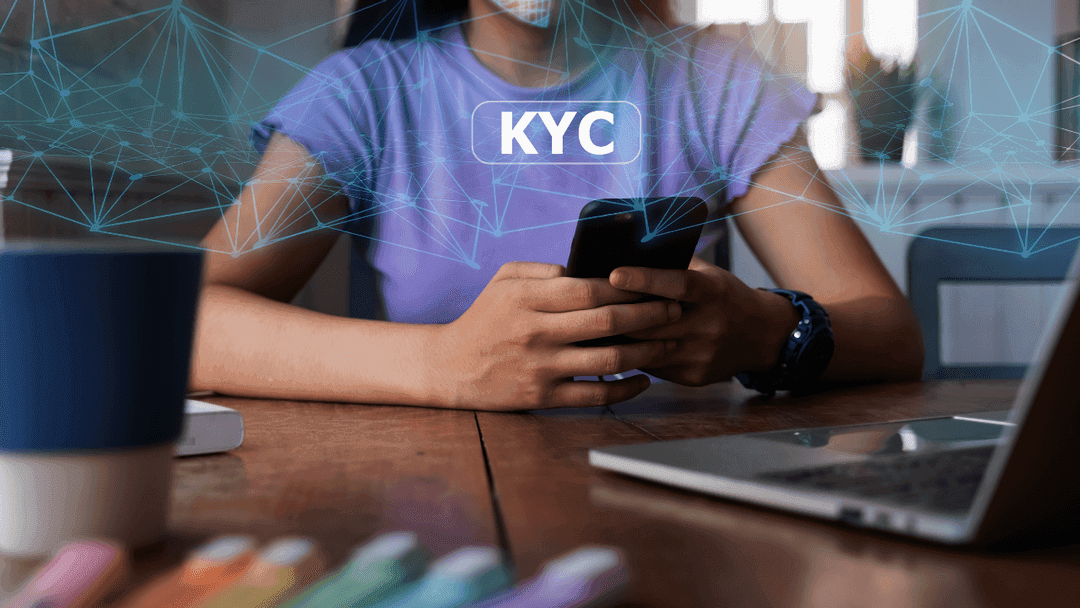
Growing in the COVID-19 pandemic, remote customer onboarding processes have become a permanent reality in our lives. It helps to save time for both companies and users. However, these processes also pose significant security risks, which continue to grow as fraudsters use technology more efficiently. 

‍To mitigate these risks, it is crucial to verify customers’ identity securely. Detecting fake and stolen identity cards and excluding bot users is vital for both the continuity of financial systems and the security of individual accounts. Over the past decade, governments and institutions have developed various methods to achieve this. And one of the most important methods used is agent calls.

Video Calls and Remote Know Your Customer 

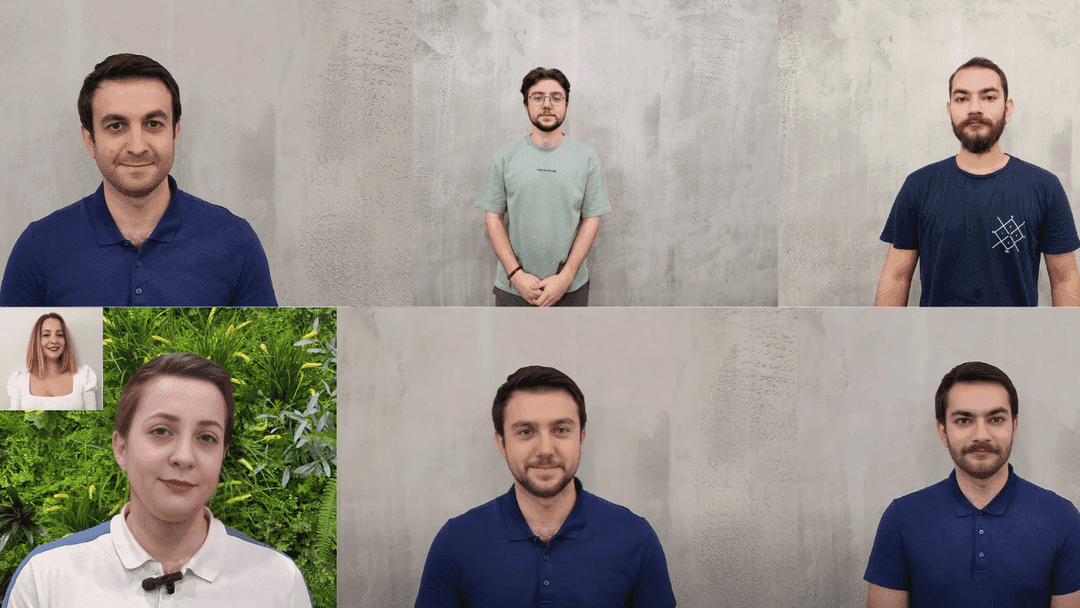
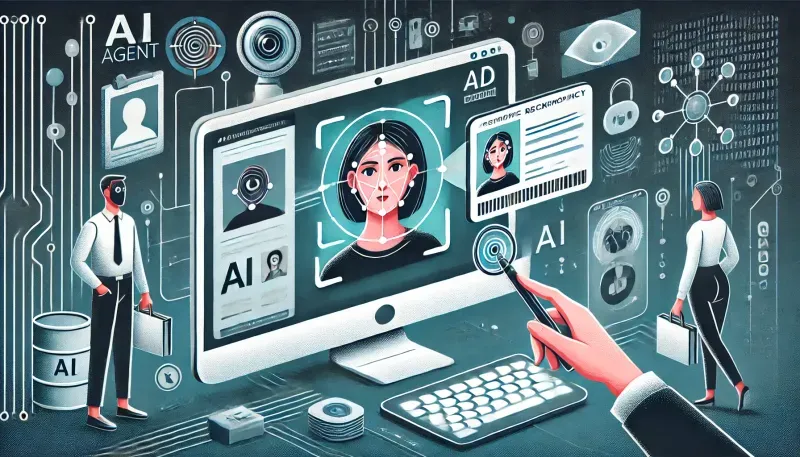
In remote identity verification processes, video calls fundamentally operate on the same principle despite slight variations across sectors and regions. According to the instructions, the customer shows the relevant identity card and their face to the camera. The authorized person conducting the video call examines different sides of the identity card, asks questions to the person, and ensures that the photo on the ID matches the customer. At the end of the process, the customer is approved to create an account or access their account.

This process may seem easy and highly secure for the user, but, it has some handicaps too. As technology evolves, it has become cumbersome and is ready to be replaced by new technology.

The Limitations of Video Calls

As mentioned, video calls were crucial in the initial stages of digitalization and the RKYC process to build a security wall. However, over time, this method has started to lose its effectiveness. Here, I will briefly discuss the limitations of this method and explain why new technologies are needed.

The Costs of Video Calls

‍The biggest handicap of video calls is certainly their cost, especially for companies with high transaction volumes. These costs can be broken down as follows:

  • Personnel Costs: Staff managing video calls require extensive training, which involves training expenses and salaries, posing a significant cost burden for companies.

  • Time Costs: Video calls typically take 2-2.5 minutes at best. Poor internet connections, misunderstandings, or repeated instructions can extend this to 5-6 minutes, necessitating either more personnel or longer wait times for customers.

  • Technological Infrastructure: High-quality video and audio communication needs a strong internet connection and advanced software solutions for both the customer and the agent. Otherwise, the call might drop before completion.

Deepfake and Identity Fraud Threats

The main advantage of video calls was their high-security element. However, with technological advancements, deepfake and other identity fraud techniques have become more sophisticated and convincing, diminishing the reliability of video calls. For more on deepfake, click here.

Beyond the Limits with AI Agents

We often remind that the most effective tool against AI-generated threats is AI itself. For more on deepfake, click here. Remote identity verification processes are no exception. AI agent technologies have the potential to revolutionize these processes by minimizing human intervention, reducing costs, and detecting fraud more efficiently than the human eye.

Here are some advantages provided by AI agents:

  • 24/7 Operation: AI agents can provide uninterrupted service around the clock without the need for shifts or process management.

  • Speed and Efficiency: AI agents can perform identity verification processes quickly and efficiently, reducing the time per customer to as little as 45 seconds, thereby shortening customer wait times and speeding up transaction processes.

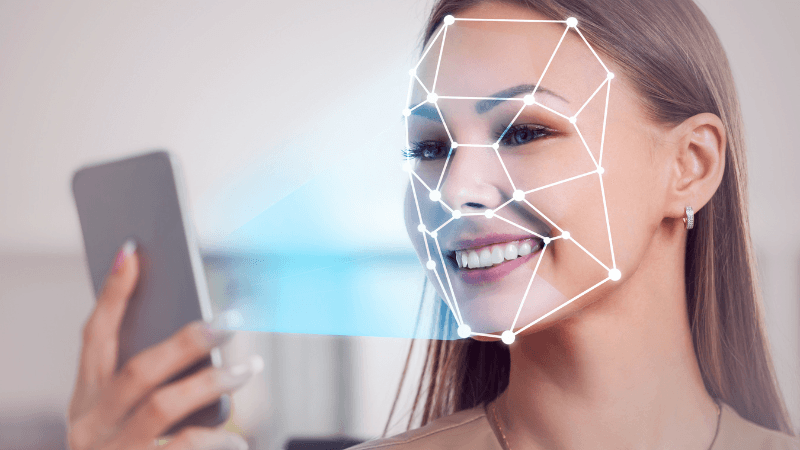
  • Advanced Fraud Detection: AI agents use advanced algorithms to detect deepfake and other fraud techniques, capturing details that the human eye might miss.

  • Lower Operational Costs: While AI agents require a high initial investment, they significantly reduce long-term operational costs by eliminating expenses related to personnel salaries, training, and other overheads.

AI Agents at Techsign

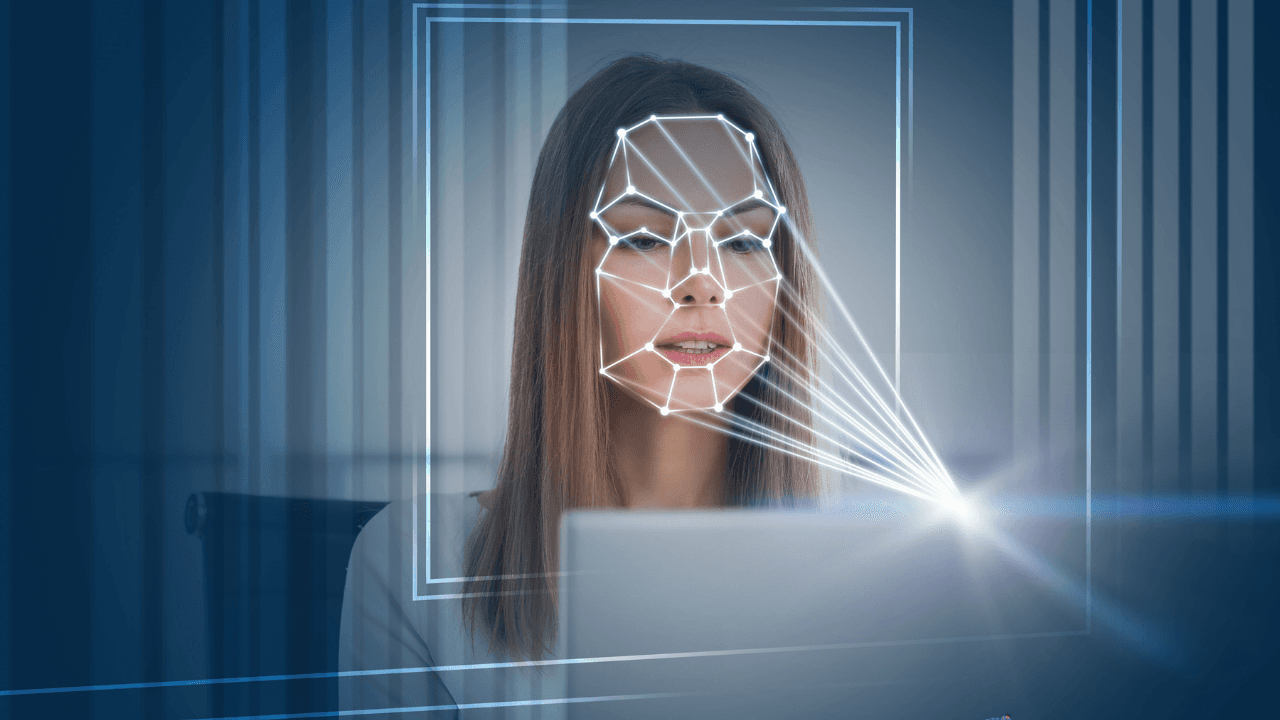
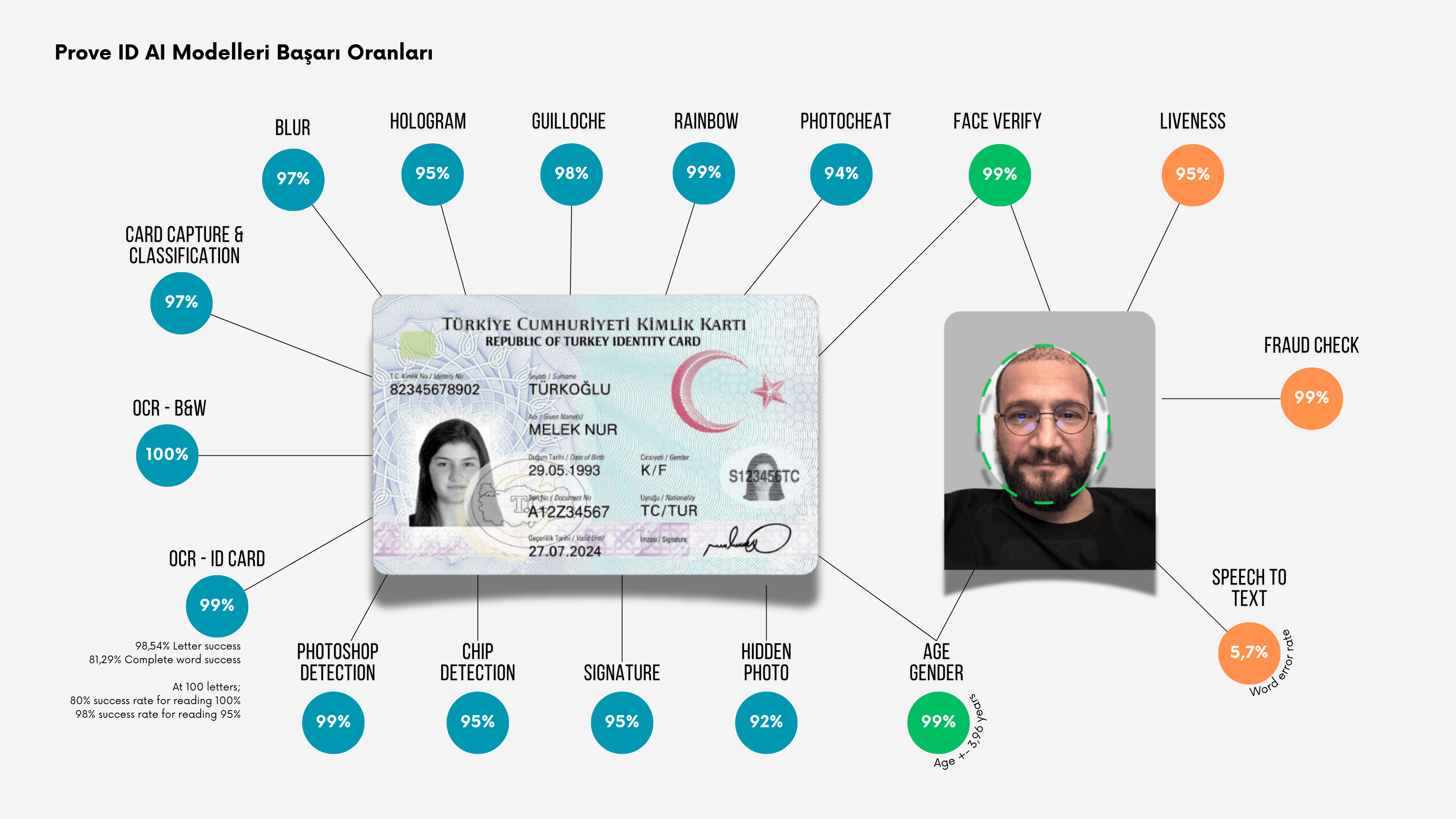
From day one, Techsign always focused on AI technologies in remote know-your-customer processes and now aims to lead AI agent technology in Turkey. By integrating multiple high-success-rate modules, Techsign’s AI agent can easily detect fraud attempts with high success rates even if they are invisible to the human eye. All of Techsign's modules boast over 95% success rates and comply with legal processes.
‍Contact us to free your company from the burden of video calls and create more efficient business processes.

SHARE

BLOG

Digital Signature Types

Not all digital signatures are the same. Learn the legal distinctions between electronic, advanced, and biometric signatures—and how Techsign’s compliant, white-label biometric solution simplifies secure, remote signing for modern businesses.

Reycan Çetin // Growth Manager @Techsign

Are Our Passwords Secure Enough? How Will Password Usage Change in the Future?

Weak passwords cause 30% of data breaches—and “123456” is still widely used. Learn why multi-factor and biometric authentication are the future, and how Techsign secures digital access with AI-powered, customizable identity solutions.

Barış Korkmaz

How Much Return Do KYC Solutions Provide? ROI Calculations

KYC & ID Verification solutions drive ROI by reducing costs, boosting productivity, and improving digital security. With Techsign’s AI-powered tools, businesses streamline customer onboarding, ensure compliance, and unlock new digital potential.

Mehmet Nuri Aybar // Senior Business Development Consultant

Incubation and Acceleration Programs That Can Help Startups

Incubators and accelerators guide startups from idea to growth, offering funding, mentorship, and more. Learn the key differences, top global programs, and Techsign’s own journey from early incubation to global acceleration success.

Reycan Çetin // Growth Manager @Techsign

Deepfake Threat in Identity Verification for Financial Systems

Deepfake tech is now a serious threat to financial systems, enabling fraudsters to bypass ID checks and liveness tests. Learn how attacks evolved—and how Techsign’s AI-powered security stays one step ahead of even the most advanced Deepfakes.

Reycan Çetin // Growth Manager @Techsign

What is Deepfake, why is it dangerous? How will we fight against the threats created by Deepfake?

Deepfake uses AI to alter real content—posing growing risks from identity fraud to political manipulation. Learn how it works, why the human eye fails to detect it, and how AI-driven defenses are our best hope to counter its evolving threats.

Osman S. Aktepe // Software Architect

Crypto Currencies, Security Problems, and Solutions

Crypto offers speed and flexibility—but also raises security concerns. Learn how Techsign’s AI-powered KYC tools, including face recognition and deepfake-resistant liveness checks, help crypto firms stay compliant and secure in a high-risk landscape.

Reycan Çetin // Growth Manager @Techsign

What is Pay-by-Face / Where Can It Be Used / How Does It Work?

Pay-by-face enables secure, fast, device-free payments using facial recognition. Learn how Techsign’s AI-driven system protects biometric data, prevents fraud, and reshapes user experience—without storing your actual face image.

Reycan Çetin // Growth Manager @Techsign

How Can Technology Help To Build Safer Micro Mobility Solutions?

Micro-mobility is rising—but safety and regulation must keep up. Discover how Techsign’s KYC tools like OCR, face recognition, and age verification can help cities and scooter firms create safer, smarter, and more inclusive transport systems.

Reycan Çetin // Growth Manager @Techsign

The Difference Between AML and KYC: Understanding Two Vital Components of Financial Security

AML and KYC are vital to financial security—while KYC verifies identity, AML prevents money laundering. Learn how Techsign’s AI-powered, legally compliant KYC solutions simplify remote onboarding with secure document and biometric verification.

Reycan Çetin // Growth Manager @Techsign

Should KYC Processes be Solved with Your Own Resources or Outsourced?

Should you build your own KYC system or work with a trusted provider? Discover the pros and cons of each path—and how Techsign’s expert solutions can reduce risk, save time, and ensure compliance in today’s fast-moving digital landscape.

Barış Korkmaz

How to Do KYC Verification? How Does KYC Work?

KYC is no longer just for banks—it's now vital in sectors from healthcare to gaming. As digital onboarding grows, AI-powered KYC ensures secure, compliant, and seamless user experiences across industries. Discover where it’s heading next.

Reycan Çetin // Growth Manager @Techsign

Identity Verification Methods - 5 Different Methods

Biometric authentication is rising—but no method is flawless alone. Learn why multi-factor authentication is essential, how each method compares, and how Techsign combines AI-powered biometrics with layered security for reliable identity verification.

AI Agents in Remote Know Your Customer

Video calls once secured remote onboarding—but deepfakes and high costs changed the game. Discover how Techsign’s AI agents offer faster, safer, and more scalable identity verification, detecting fraud beyond what the human eye can catch.

Reycan Çetin // Growth Manager @Techsign

Confusing Deepfake Examples from 2023 and 2024

From fake Elon Musk speeches to Tom Cruise TikToks, deepfakes are more realistic—and risky—than ever. Explore recent examples, the dangers they pose, and how tools like Techsign’s Fake Finder help uncover what’s real and what’s not.

Reycan Çetin // Growth Manager @Techsign

Quantum-Resistant Cryptography in Identity Verification

Quantum computing could break today’s encryption—but quantum-resistant cryptography offers hope. Explore why securing digital identities now is key, and how the tech world is preparing for a future where quantum threats are real.

Serkan Fergan

Differences Between Cheapfake and Deepfake and the Threats They Pose in Identity Fraud

Cheapfakes and deepfakes both threaten identity systems—but in different ways. Learn the key differences, how each is used in fraud, and why Techsign’s AI-powered liveness detection and multi-factor tools are essential for digital security.

Reycan Çetin // Growth Manager @Techsign

Fraud as a Service (FaaS): Committing Fraud Has Never Been This Easy!

Fraud is now a service—sold with tools, support, and guides to anyone online. Learn how FaaS is reshaping cybercrime and how Techsign’s AI-powered, risk-based authentication helps businesses stay protected in this new era of digital fraud.

Reycan Çetin // Growth Manager @Techsign

Deepfake Scams: A New Threat in the Digital World

Deepfake scams are on the rise—from romance fraud to KYC bypass attempts. Learn how scammers exploit AI to deceive individuals and institutions, and how Techsign’s detection tools help uncover fake content before it’s too late.

Reycan Çetin // Growth Manager @Techsign

We can find the solution you need together.

Contact us to find suitable solutions for your company that are shaped by your sector, scale, and geographic region.

Let's connnect to find the solution
you need together!

Teknopark No:1/1C, Office: 1301 34906
İstanbul/Türkiye


t. +90 (216) 510 2761

m. info@techsign.com

Copyright 2025 © Techsign

We can find the solution you need together.

Contact us to find suitable solutions for your company that are shaped by your sector, scale, and geographic region.

Let's connnect to find the solution
you need together!

Teknopark No:1/1C, Office: 1301 34906
İstanbul/Türkiye


t. +90 (216) 510 2761

m. info@techsign.com

Copyright 2025 © Techsign

We can find the solution you need together.

Contact us to find suitable solutions for your company that are shaped by your sector, scale, and geographic region.

Let's connnect to find the solution
you need together!

Teknopark No:1/1C, Office: 1301 34906
İstanbul/Türkiye


t. +90 (216) 510 2761

m. info@techsign.com

Copyright 2025 © Techsign