


BLOG

The Difference Between AML and KYC: Understanding Two Vital Components of Financial Security

The Difference Between AML and KYC: Understanding Two Vital Components of Financial Security

We work passionately to change the future with our young,

dynamic, and creative team

Reycan Çetin // Growth Manager @Techsign

Introduction

‍The finance sector has strict regulations on online transactions to establish a secure environment. Maintaining security and safeguarding against fraudulent activities, money laundering, and financing terrorism is not crucial only for the finance sector and also for the well-being of society.
There are two crucial components in building security in finance. These are AML (Anti Money Laundering) and KYC (Know Your Customer) procedures. While both are integral levels of ensuring financial integrity and work together, they serve distinct purposes in the fight against illegal actions. And they create the protection of legitimate financial transactions in different steps.
In this blog, we will explore the differences between AML and KYC, their significance, and how they work in tandem to create a secure financial ecosystem.


KYC

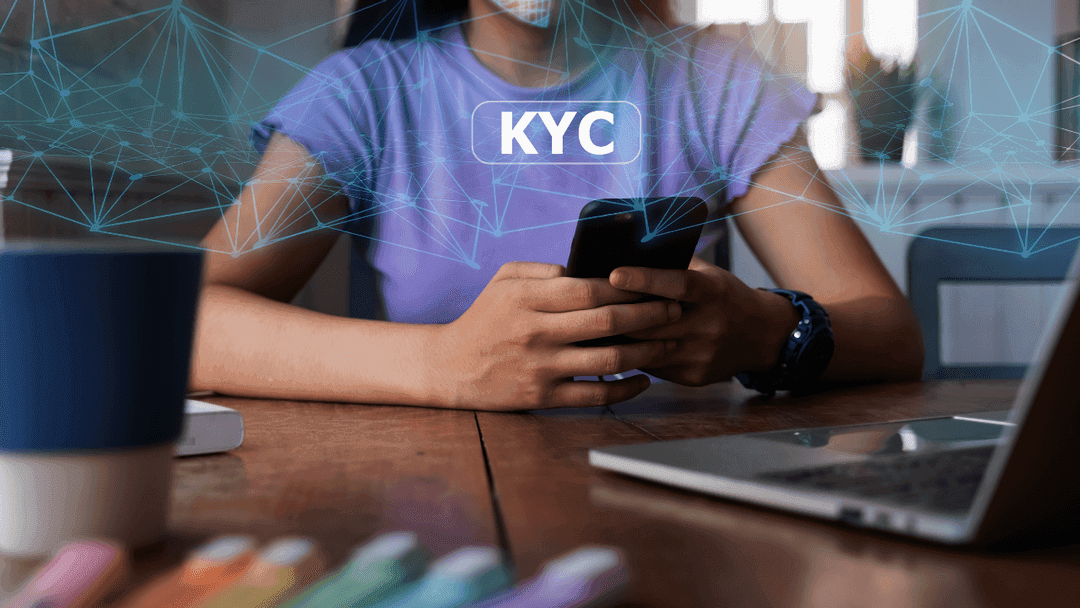
‍Let's start with the basics. KYC is short for Know Your Customer. It is the process by which financial institutions verify the identities of their customers. The primary goal of KYC is to ensure that businesses be certain about their customers' identities, financial activities, and risk profiles. This helps to establish a transparent and trustworthy relationship between the customer and the financial institution.
Key Features of KYC:
Customer Verification: The most used and well-known KYC process is customer verification. The KYC process can involve different information about customers. It is shaped by firms' requirements, regional regulations, etc... Usually, the essential customer information, such as name, address, date of birth, and official identification documents (e.g., passport, driver's license, or national ID).
Risk Assessment: Financial institutions use KYC data to assess the potential risk associated with a customer's financial activities. This allows them to categorize customers as low, medium, or high-risk.
Ongoing Monitoring: KYC is not a one-time process. Financial institutions continually monitor customer transactions and activities to identify suspicious behaviors that may indicate money laundering or other illegal activities.


AML

‍AML is short for Anti Money Laundering. Money laundering is o disguising the origins of black money to make them appear legitimate. It is an important threat because the activities such as drug trafficking, corruption, embezzlement, or gambling are the resources of black money. And they can not be tracked when the black money is laundered. AML is a set of policies, regulations, and procedures that are set to detect and prevent money laundering. AML procedures are also crucial to prevent financing terrorism and other illicit financial activities.


Key Features of AML:

‍Detection of Suspicious Activities: AML procedures entail identifying and reporting transactions or activities that raise concerns about potential money laundering or illicit funding. These red flags need to be taken seriously to prevent illegal activities.
Reporting to Regulatory Authorities: Financial institutions are obligated to report any suspicious transactions or activities to the relevant regulatory authorities. It is a legal responsibility. And if they do not, they will be considered to be part of illegal actions.
Compliance with AML Regulations: Financial institutions must adhere to local and international AML regulations and stay updated on evolving AML practices and requirements.


The Relationship Between AML and KYC


While KYC and AML are distinct processes, they are closely related and work hand in hand to ensure financial security and compliance. KYC provides the foundation for AML by enabling financial institutions to verify customer identities and understand their risk profiles. This allows them to monitor customer transactions effectively and detect any unusual or suspicious activities, which are crucial components of AML.
In practice, KYC processes provide the necessary customer data that AML systems rely on to perform transaction monitoring and risk assessment. When AML systems flag suspicious activities, they often trigger enhanced due diligence processes in KYC to gather more information and investigate further.


Techsign's Role in AML and KYC Processes

Techsign focuses on the customer verification part of the KYC process and provides financial institutions end-to-end KYC solutions. Secure, fast, and legally compliant. Standard customer verification is based on only document verification. And if you do it physically, it takes ages. But in Techsign's KYC solutions, remote customer verification is easy, fast, and secure.

‍Techsign does standard document verification but in a better way with the help of technology. Checks the ID card to detect fake ones, with a hologram or NFT check. And the used AU can learn any ID card just in one week: passports, residence permits, driver's licenses, national ID cards, etc...
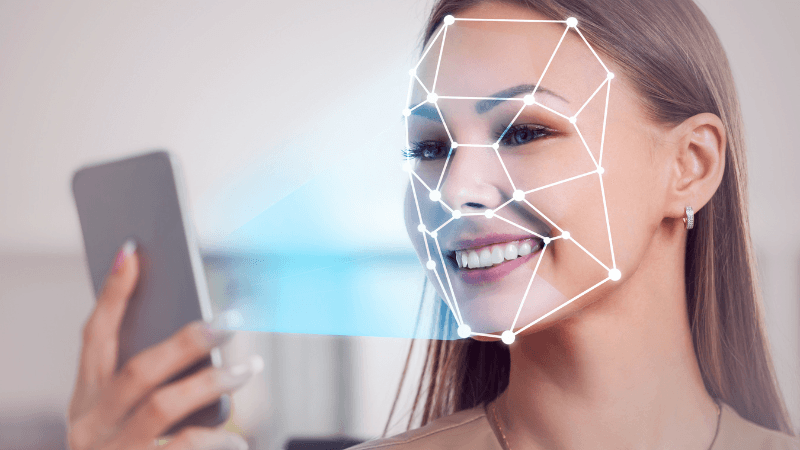
And besides document verification, Techsign's KYC solutions offer biometric feature-based verification too. We know that most financial institutions use multi-factor customer verification in online onboarding. Such as something you own and something you are. Having your ID card is not enough, you also have to prove the identity you claimed with your biometrics. Face recognition is the most used biometric verification. And Techsign has an incredible score in this technology!
Another thing we can provide happily to our customers is being legally compliant. It is a hard job. Because the regulations and legal requirements are different across geographical regions. Techsign works with the biggest banks in Turkey and is used to their needs, processes, and legally binding measurements. And the solutions can be adapted easily for changes.

If you want to have further information, please contact us!

SHARE

BLOG

Digital Signature Types

Not all digital signatures are the same. Learn the legal distinctions between electronic, advanced, and biometric signatures—and how Techsign’s compliant, white-label biometric solution simplifies secure, remote signing for modern businesses.

Reycan Çetin // Growth Manager @Techsign

Are Our Passwords Secure Enough? How Will Password Usage Change in the Future?

Weak passwords cause 30% of data breaches—and “123456” is still widely used. Learn why multi-factor and biometric authentication are the future, and how Techsign secures digital access with AI-powered, customizable identity solutions.

Barış Korkmaz

How Much Return Do KYC Solutions Provide? ROI Calculations

KYC & ID Verification solutions drive ROI by reducing costs, boosting productivity, and improving digital security. With Techsign’s AI-powered tools, businesses streamline customer onboarding, ensure compliance, and unlock new digital potential.

Mehmet Nuri Aybar // Senior Business Development Consultant

Incubation and Acceleration Programs That Can Help Startups

Incubators and accelerators guide startups from idea to growth, offering funding, mentorship, and more. Learn the key differences, top global programs, and Techsign’s own journey from early incubation to global acceleration success.

Reycan Çetin // Growth Manager @Techsign

Deepfake Threat in Identity Verification for Financial Systems

Deepfake tech is now a serious threat to financial systems, enabling fraudsters to bypass ID checks and liveness tests. Learn how attacks evolved—and how Techsign’s AI-powered security stays one step ahead of even the most advanced Deepfakes.

Reycan Çetin // Growth Manager @Techsign

What is Deepfake, why is it dangerous? How will we fight against the threats created by Deepfake?

Deepfake uses AI to alter real content—posing growing risks from identity fraud to political manipulation. Learn how it works, why the human eye fails to detect it, and how AI-driven defenses are our best hope to counter its evolving threats.

Osman S. Aktepe // Software Architect

Crypto Currencies, Security Problems, and Solutions

Crypto offers speed and flexibility—but also raises security concerns. Learn how Techsign’s AI-powered KYC tools, including face recognition and deepfake-resistant liveness checks, help crypto firms stay compliant and secure in a high-risk landscape.

Reycan Çetin // Growth Manager @Techsign

What is Pay-by-Face / Where Can It Be Used / How Does It Work?

Pay-by-face enables secure, fast, device-free payments using facial recognition. Learn how Techsign’s AI-driven system protects biometric data, prevents fraud, and reshapes user experience—without storing your actual face image.

Reycan Çetin // Growth Manager @Techsign

How Can Technology Help To Build Safer Micro Mobility Solutions?

Micro-mobility is rising—but safety and regulation must keep up. Discover how Techsign’s KYC tools like OCR, face recognition, and age verification can help cities and scooter firms create safer, smarter, and more inclusive transport systems.

Reycan Çetin // Growth Manager @Techsign

The Difference Between AML and KYC: Understanding Two Vital Components of Financial Security

AML and KYC are vital to financial security—while KYC verifies identity, AML prevents money laundering. Learn how Techsign’s AI-powered, legally compliant KYC solutions simplify remote onboarding with secure document and biometric verification.

Reycan Çetin // Growth Manager @Techsign

Should KYC Processes be Solved with Your Own Resources or Outsourced?

Should you build your own KYC system or work with a trusted provider? Discover the pros and cons of each path—and how Techsign’s expert solutions can reduce risk, save time, and ensure compliance in today’s fast-moving digital landscape.

Barış Korkmaz

How to Do KYC Verification? How Does KYC Work?

KYC is no longer just for banks—it's now vital in sectors from healthcare to gaming. As digital onboarding grows, AI-powered KYC ensures secure, compliant, and seamless user experiences across industries. Discover where it’s heading next.

Reycan Çetin // Growth Manager @Techsign

Identity Verification Methods - 5 Different Methods

Biometric authentication is rising—but no method is flawless alone. Learn why multi-factor authentication is essential, how each method compares, and how Techsign combines AI-powered biometrics with layered security for reliable identity verification.

AI Agents in Remote Know Your Customer

Video calls once secured remote onboarding—but deepfakes and high costs changed the game. Discover how Techsign’s AI agents offer faster, safer, and more scalable identity verification, detecting fraud beyond what the human eye can catch.

Reycan Çetin // Growth Manager @Techsign

Confusing Deepfake Examples from 2023 and 2024

From fake Elon Musk speeches to Tom Cruise TikToks, deepfakes are more realistic—and risky—than ever. Explore recent examples, the dangers they pose, and how tools like Techsign’s Fake Finder help uncover what’s real and what’s not.

Reycan Çetin // Growth Manager @Techsign

Quantum-Resistant Cryptography in Identity Verification

Quantum computing could break today’s encryption—but quantum-resistant cryptography offers hope. Explore why securing digital identities now is key, and how the tech world is preparing for a future where quantum threats are real.

Serkan Fergan

Differences Between Cheapfake and Deepfake and the Threats They Pose in Identity Fraud

Cheapfakes and deepfakes both threaten identity systems—but in different ways. Learn the key differences, how each is used in fraud, and why Techsign’s AI-powered liveness detection and multi-factor tools are essential for digital security.

Reycan Çetin // Growth Manager @Techsign

Fraud as a Service (FaaS): Committing Fraud Has Never Been This Easy!

Fraud is now a service—sold with tools, support, and guides to anyone online. Learn how FaaS is reshaping cybercrime and how Techsign’s AI-powered, risk-based authentication helps businesses stay protected in this new era of digital fraud.

Reycan Çetin // Growth Manager @Techsign

Deepfake Scams: A New Threat in the Digital World

Deepfake scams are on the rise—from romance fraud to KYC bypass attempts. Learn how scammers exploit AI to deceive individuals and institutions, and how Techsign’s detection tools help uncover fake content before it’s too late.

Reycan Çetin // Growth Manager @Techsign

We can find the solution you need together.

Contact us to find suitable solutions for your company that are shaped by your sector, scale, and geographic region.

Let's connnect to find the solution
you need together!

Teknopark No:1/1C, Office: 1301 34906
İstanbul/Türkiye


t. +90 (216) 510 2761

m. info@techsign.com

Copyright 2025 © Techsign

We can find the solution you need together.

Contact us to find suitable solutions for your company that are shaped by your sector, scale, and geographic region.

Let's connnect to find the solution
you need together!

Teknopark No:1/1C, Office: 1301 34906
İstanbul/Türkiye


t. +90 (216) 510 2761

m. info@techsign.com

Copyright 2025 © Techsign

We can find the solution you need together.

Contact us to find suitable solutions for your company that are shaped by your sector, scale, and geographic region.

Let's connnect to find the solution
you need together!

Teknopark No:1/1C, Office: 1301 34906
İstanbul/Türkiye


t. +90 (216) 510 2761

m. info@techsign.com

Copyright 2025 © Techsign