BLOG

How Can Technology Help To Build Safer Micro Mobility Solutions?

How Can Technology Help To Build Safer Micro Mobility Solutions?

We work passionately to change the future with our young,

dynamic, and creative team

Reycan Çetin // Growth Manager @Techsign
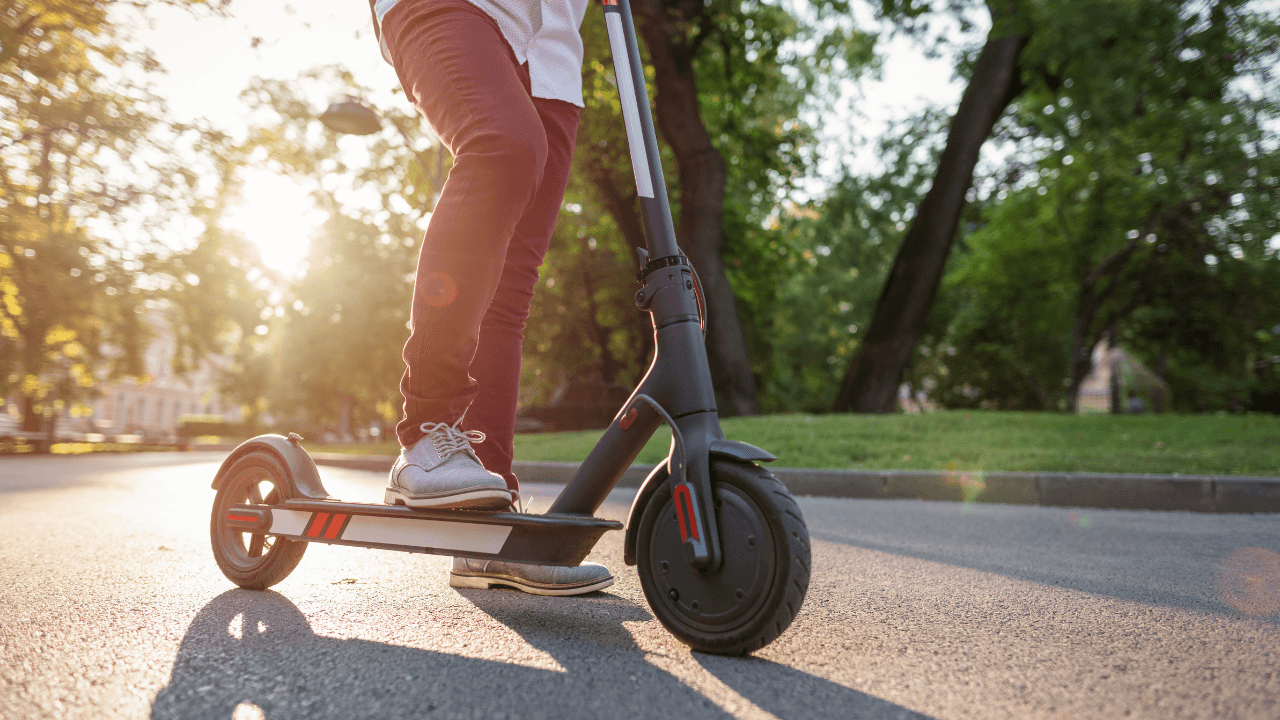
In recent years the number of scooters, electric scooters, and bikes increased unavoidably. The vehicles are environment-friendly, practical, and cheaper than private cars, so urbanites love and prefer them. This new transport model is called micro-mobility, and it is especially very popular among young people. But not everyone shares their enthusiasm about this new transport model. A lot of urbanites complain about these vehicles. Here are the main complaints: The users park their vehicles on sidewalks which disturb pedestrians and shopowners. And these vehicles can reach 25-30 km/h speed, but still, a driving license is not needed to use them. With an unresponsible user, this speed can be dangerous for pedestrians and also for drivers.

‍These are serious complaints such that some cities had to take some precautions and defined some limitations for the use of these vehicles. Istanbul is one of these cities. In some districts, local governments collect scooters that are parked on sidewalks or completely forbid sharing scooters. But are these precautions really enough or fair? We feel the effects of the climate crisis every day more -strongly. Do we have really the right to forbid an environment-friendly transport model? Yes, electric scooters and bikes can be a big threat, especially to elders, disabled and with child people. But we need to define needed regulations and integrate them into urban transport and finding a solution is not really hard with technology!

Problems of Sharing E-scooters and The Regulations

The easiest way to prevent a problem caused by new technological development is to permit the development! Actually, this is what Parisiens did. The public referendum had recorded participants, and %90 of the citizens voted to permit sharing scooters and bikes. This result is not a surprise considering that 3 people died and over 450 people get injured in electric scooter accidents.

Permitting solves the problem. But we don't have a chance to toss out clean transport modules easily. And cutting a technological development so sharply is not acceptable in this age. Blaming only the users is also not realistic or fair. Local governments should define legal regulations, and entrepreneurs of sharing scooters must follow these regulations strictly. Otherwise, other cities will follow Paris, and all the citizens will miss this opportunity.
Let's look at the problems, defined solutions, and in which steps technology can help.

High speed: Electrical scooters can reach  40-45 km/h speed. And this speed can cause serious injuries and even deaths when they hit pedestrians. But this problem can be easily solved. Many cities defined speed limits and forced the sharing scooter companies to follow them. Or they can not be used in these cities. Period. This speed limit was 25km/h at the beginning. But city governments changed it in recent years. The speed limit for sharing scooters is 15 km in Istanbul, Moscow, and Tokyo; 20km/h in  Berlin, Oslo, Stockholm, and London; 16km/h in Washington. Helsinki and Rome didn't change the speed limit of 25km/h. To create a safer environment, companies should set up their vehicles, and local governments should control them strictly.

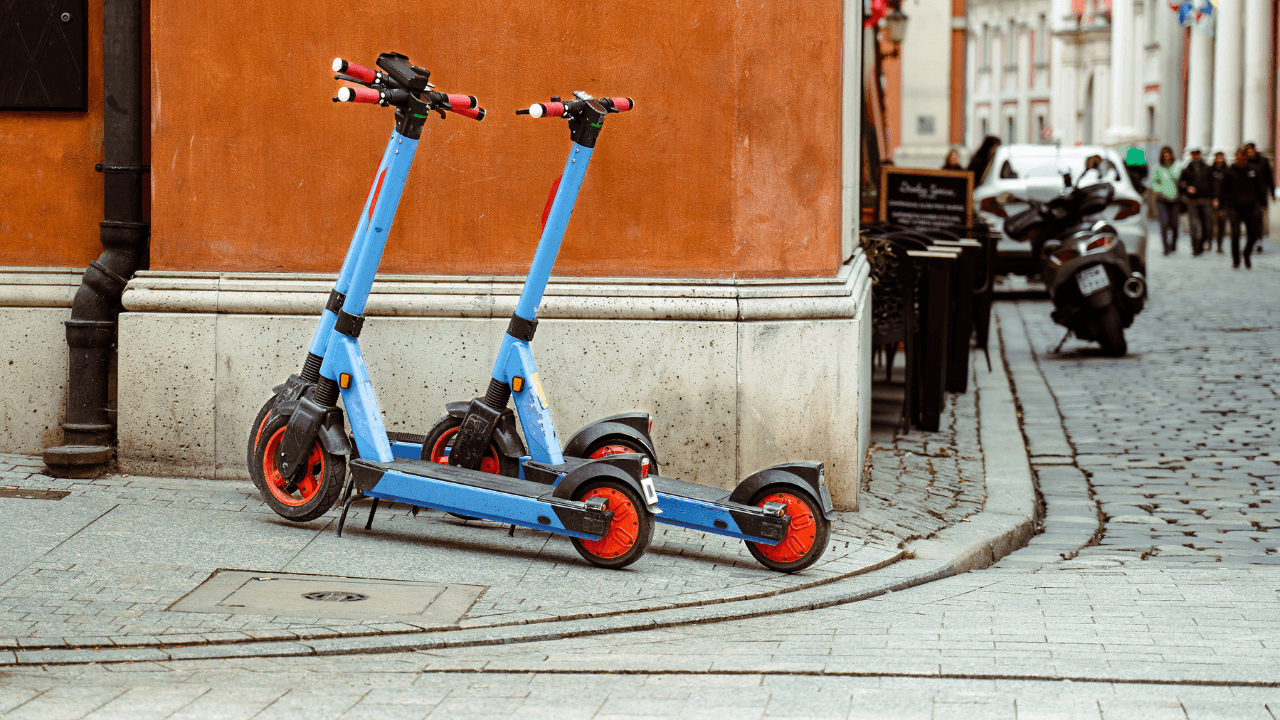
‍Parking: The parked scooters are another big problem. Some users park their scooters on the sidewalks, in front of shops or houses, and disturb other citizens. Some companies created a solution for this problem. Users have to take a picture of parked vehicles and upload it to the system. If they don't park appropriately, the system doesn't allow them to rent again.

‍This is a good solution and can be enhanced more. Scooter companies can create blacklists like financial institutions and share them with other companies. The users who have more penalty points than the defined one can be on the blacklist and can not rent a shared scooter from any company. Do you think about how you can cheat the system? For example, uploading an old photo. That is not going to happen. Because comparing the location of the photo and the scooter is an easy task for technology. Users can not upload an old photo, and cheat the system.
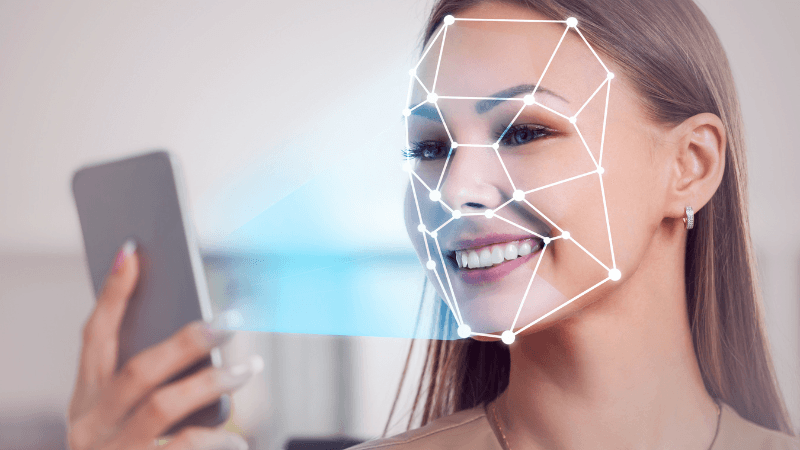
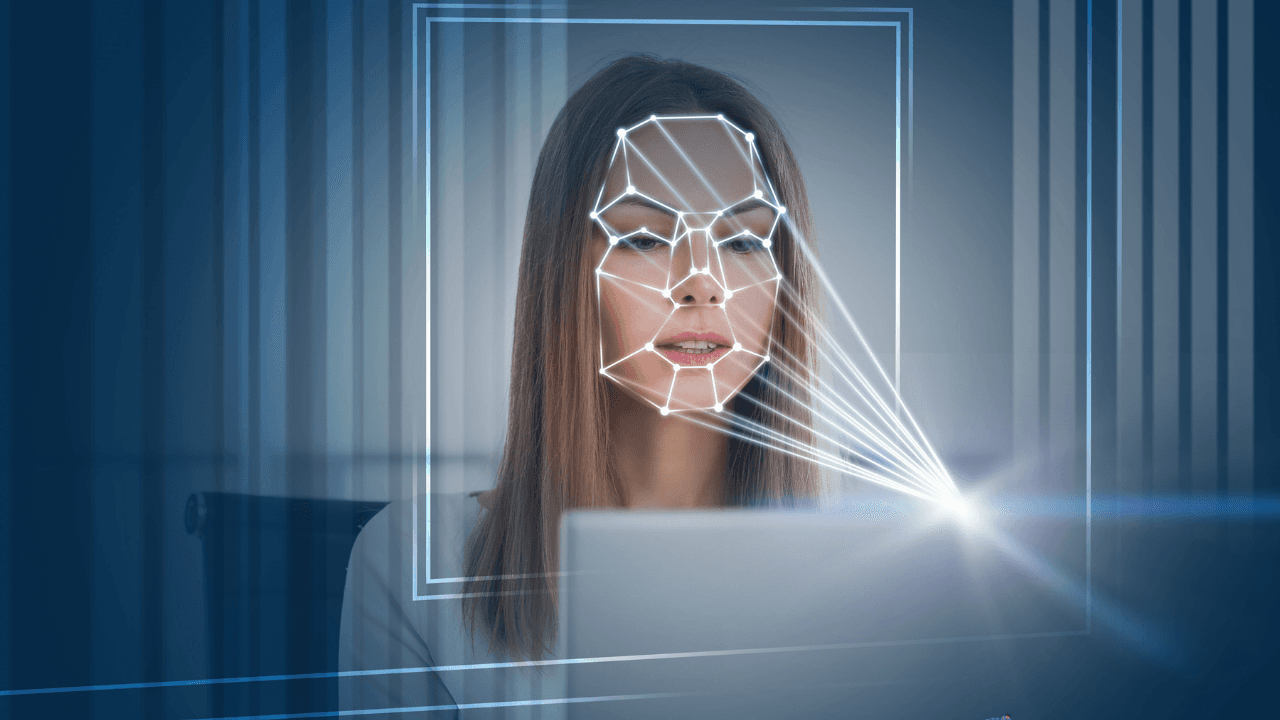
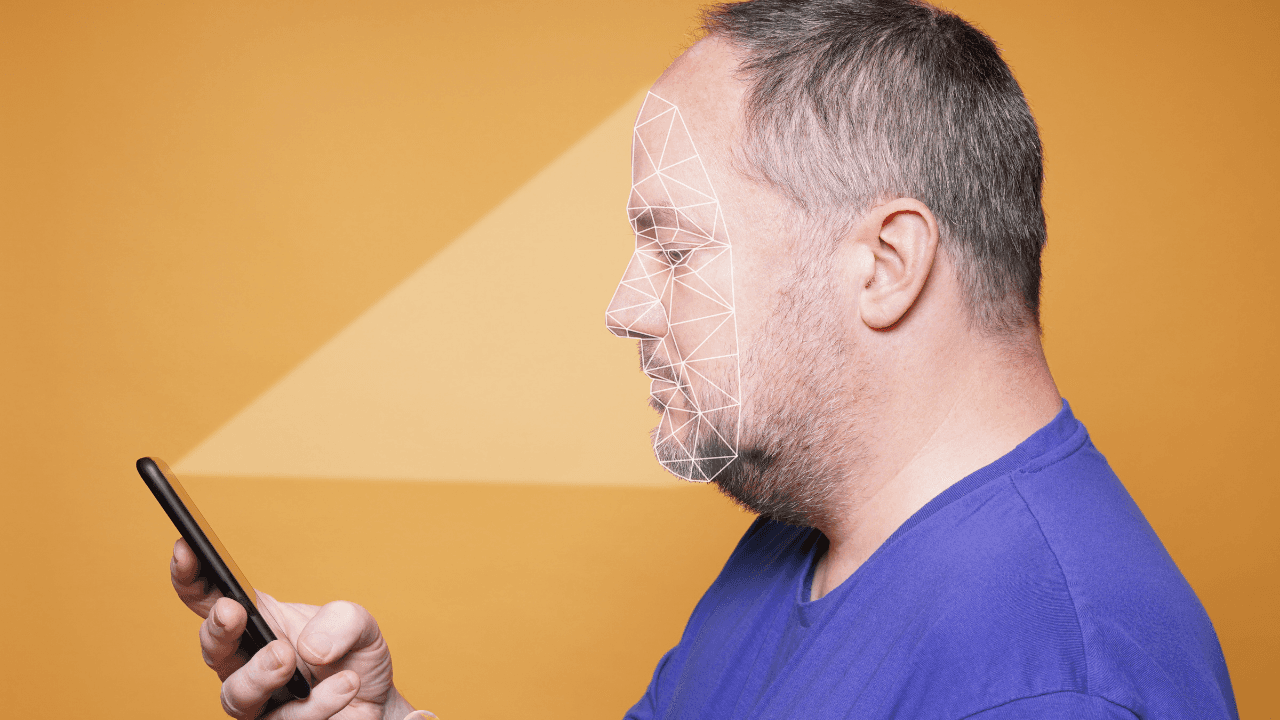
Age limit: Electrical scooter doesn't require any license. But governments think that there must be an age limit. This age limit is 12 in some countries and reaches 15 in others. But how will we verify the users' age? That's the job of technology companies. The users will introduce their id cards, OCR will read the birthdate, and the system will not continue the process if the user is too young. You say that a young person can use someone else's identity. Nope. Adding a face recognition module will solve this problem. Users will introduce their faces after their id cards. And the system will compare the introduced face with the face from the id card.

‍Face recognition can be used for blacklists too. With adding face recognition in blacklists, the blocked users can not rent a scooter by using someone else's id card.

Drunk drivers: Drunk drivers are the biggest threat, like in motorized vehicles. Smart cars achieved some improvements in this issue. Smart cameras watch drivers during driving and track facial expressions. They understand that if the driver is drunk, tired, too stressed, etc... They warn the driver and even stop the car. This can be adapted into the scooter apps, and drunk drivers can be detected.

As you can see, it is possible to integrate new technologies into social needs by considering social rules. Especially when we have all these opportunities provided by technology. But all the actors should move together. Local governments, shared scooter companies, technology companies, and users. With this alliance, problems can be solved fast, and sustainable travel can enhance safely.


Where does Techsign take part in all these?

‍So what can we do as Techsign? Our job is onboarding customers remotely in a safe way. We provide safety for customers, firms, and the whole sector. People think that only financial institutions need KYC solutions. But as you can see, many sectors can benefit from these technologies.  
For age detection, using OCR to have the birth date directly from the id card is safer than the user's declaration. To check that users don't have someone else's id card by face recognition. Again by using face recognition, to check whether the user is on the blacklist, or not. And even PayByFace can be used for payments. With Techsign, all these things are possible and easy.

‍Do you need more reasons to work with Techsign?

Here you are:

-Techsign provides end-to-end KYC solutions but also needed modules too. So the customers can only buy what they need.
-Techsign develops all technologies at home. Techsign's OCR knows Latin, Arabic, and Cyrill alphabets. It knows all kinds of passports and can learn any national id card in one week. So tourists can use sharing scooters too.
-Techsign’s face recognition technology has a success rate of  99,2%. Users can not rent scooters by using their older sister's id card!


To get further information about our solutions, please contact us!

SHARE

BLOG

Digital Signature Types

Not all digital signatures are the same. Learn the legal distinctions between electronic, advanced, and biometric signatures—and how Techsign’s compliant, white-label biometric solution simplifies secure, remote signing for modern businesses.

Reycan Çetin // Growth Manager @Techsign

Are Our Passwords Secure Enough? How Will Password Usage Change in the Future?

Weak passwords cause 30% of data breaches—and “123456” is still widely used. Learn why multi-factor and biometric authentication are the future, and how Techsign secures digital access with AI-powered, customizable identity solutions.

Barış Korkmaz

How Much Return Do KYC Solutions Provide? ROI Calculations

KYC & ID Verification solutions drive ROI by reducing costs, boosting productivity, and improving digital security. With Techsign’s AI-powered tools, businesses streamline customer onboarding, ensure compliance, and unlock new digital potential.

Mehmet Nuri Aybar // Senior Business Development Consultant

Incubation and Acceleration Programs That Can Help Startups

Incubators and accelerators guide startups from idea to growth, offering funding, mentorship, and more. Learn the key differences, top global programs, and Techsign’s own journey from early incubation to global acceleration success.

Reycan Çetin // Growth Manager @Techsign

Deepfake Threat in Identity Verification for Financial Systems

Deepfake tech is now a serious threat to financial systems, enabling fraudsters to bypass ID checks and liveness tests. Learn how attacks evolved—and how Techsign’s AI-powered security stays one step ahead of even the most advanced Deepfakes.

Reycan Çetin // Growth Manager @Techsign

What is Deepfake, why is it dangerous? How will we fight against the threats created by Deepfake?

Deepfake uses AI to alter real content—posing growing risks from identity fraud to political manipulation. Learn how it works, why the human eye fails to detect it, and how AI-driven defenses are our best hope to counter its evolving threats.

Osman S. Aktepe // Software Architect

Crypto Currencies, Security Problems, and Solutions

Crypto offers speed and flexibility—but also raises security concerns. Learn how Techsign’s AI-powered KYC tools, including face recognition and deepfake-resistant liveness checks, help crypto firms stay compliant and secure in a high-risk landscape.

Reycan Çetin // Growth Manager @Techsign

What is Pay-by-Face / Where Can It Be Used / How Does It Work?

Pay-by-face enables secure, fast, device-free payments using facial recognition. Learn how Techsign’s AI-driven system protects biometric data, prevents fraud, and reshapes user experience—without storing your actual face image.

Reycan Çetin // Growth Manager @Techsign

How Can Technology Help To Build Safer Micro Mobility Solutions?

Micro-mobility is rising—but safety and regulation must keep up. Discover how Techsign’s KYC tools like OCR, face recognition, and age verification can help cities and scooter firms create safer, smarter, and more inclusive transport systems.

Reycan Çetin // Growth Manager @Techsign

The Difference Between AML and KYC: Understanding Two Vital Components of Financial Security

AML and KYC are vital to financial security—while KYC verifies identity, AML prevents money laundering. Learn how Techsign’s AI-powered, legally compliant KYC solutions simplify remote onboarding with secure document and biometric verification.

Reycan Çetin // Growth Manager @Techsign

Should KYC Processes be Solved with Your Own Resources or Outsourced?

Should you build your own KYC system or work with a trusted provider? Discover the pros and cons of each path—and how Techsign’s expert solutions can reduce risk, save time, and ensure compliance in today’s fast-moving digital landscape.

Barış Korkmaz

How to Do KYC Verification? How Does KYC Work?

KYC is no longer just for banks—it's now vital in sectors from healthcare to gaming. As digital onboarding grows, AI-powered KYC ensures secure, compliant, and seamless user experiences across industries. Discover where it’s heading next.

Reycan Çetin // Growth Manager @Techsign

Identity Verification Methods - 5 Different Methods

Biometric authentication is rising—but no method is flawless alone. Learn why multi-factor authentication is essential, how each method compares, and how Techsign combines AI-powered biometrics with layered security for reliable identity verification.

AI Agents in Remote Know Your Customer

Video calls once secured remote onboarding—but deepfakes and high costs changed the game. Discover how Techsign’s AI agents offer faster, safer, and more scalable identity verification, detecting fraud beyond what the human eye can catch.

Reycan Çetin // Growth Manager @Techsign

Confusing Deepfake Examples from 2023 and 2024

From fake Elon Musk speeches to Tom Cruise TikToks, deepfakes are more realistic—and risky—than ever. Explore recent examples, the dangers they pose, and how tools like Techsign’s Fake Finder help uncover what’s real and what’s not.

Reycan Çetin // Growth Manager @Techsign

Quantum-Resistant Cryptography in Identity Verification

Quantum computing could break today’s encryption—but quantum-resistant cryptography offers hope. Explore why securing digital identities now is key, and how the tech world is preparing for a future where quantum threats are real.

Serkan Fergan

Differences Between Cheapfake and Deepfake and the Threats They Pose in Identity Fraud

Cheapfakes and deepfakes both threaten identity systems—but in different ways. Learn the key differences, how each is used in fraud, and why Techsign’s AI-powered liveness detection and multi-factor tools are essential for digital security.

Reycan Çetin // Growth Manager @Techsign

Fraud as a Service (FaaS): Committing Fraud Has Never Been This Easy!

Fraud is now a service—sold with tools, support, and guides to anyone online. Learn how FaaS is reshaping cybercrime and how Techsign’s AI-powered, risk-based authentication helps businesses stay protected in this new era of digital fraud.

Reycan Çetin // Growth Manager @Techsign

Deepfake Scams: A New Threat in the Digital World

Deepfake scams are on the rise—from romance fraud to KYC bypass attempts. Learn how scammers exploit AI to deceive individuals and institutions, and how Techsign’s detection tools help uncover fake content before it’s too late.

Reycan Çetin // Growth Manager @Techsign

We can find the solution you need together.

Contact us to find suitable solutions for your company that are shaped by your sector, scale, and geographic region.

Let's connnect to find the solution
you need together!

Teknopark No:1/1C, Office: 1301 34906
İstanbul/Türkiye


t. +90 (216) 510 2761

m. info@techsign.com

Copyright 2025 © Techsign

We can find the solution you need together.

Contact us to find suitable solutions for your company that are shaped by your sector, scale, and geographic region.

Let's connnect to find the solution
you need together!

Teknopark No:1/1C, Office: 1301 34906
İstanbul/Türkiye


t. +90 (216) 510 2761

m. info@techsign.com

Copyright 2025 © Techsign

We can find the solution you need together.

Contact us to find suitable solutions for your company that are shaped by your sector, scale, and geographic region.

Let's connnect to find the solution
you need together!

Teknopark No:1/1C, Office: 1301 34906
İstanbul/Türkiye


t. +90 (216) 510 2761

m. info@techsign.com

Copyright 2025 © Techsign