BLOG

Are Our Passwords Secure Enough? How Will Password Usage Change in the Future?

Are Our Passwords Secure Enough? How Will Password Usage Change in the Future?

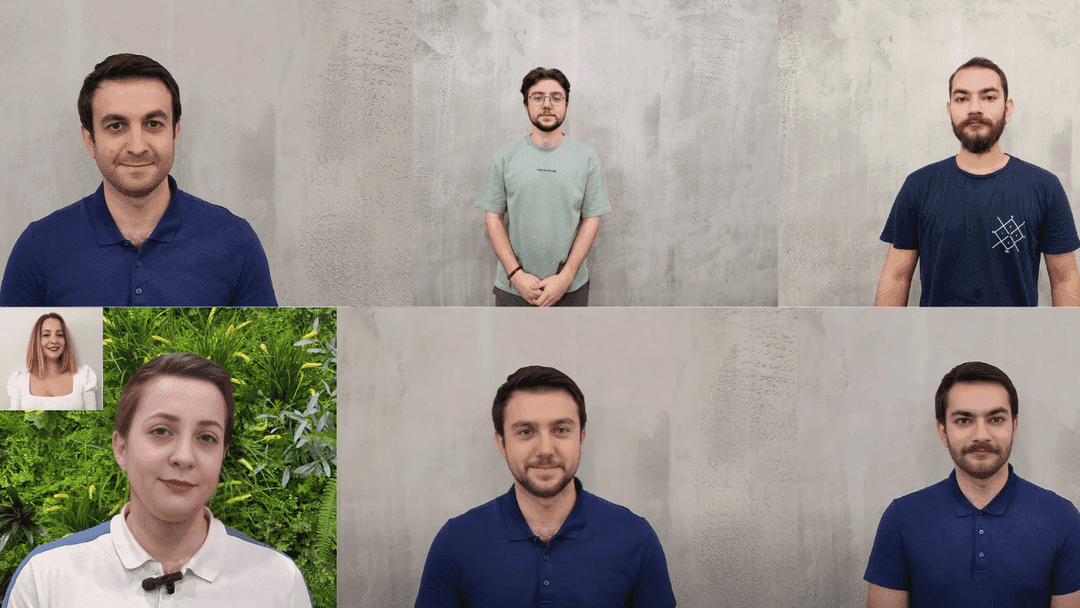
We work passionately to change the future with our young,

dynamic, and creative team

Barış Korkmaz
In the digital world, our most valuable assets are our passwords. We use these passwords to access platforms where our data is stored, allowing us to safeguard our information. In this sense, our passwords serve as our most crucial shields.

But how secure are the passwords we create and use? In a world where all aspects of our lives have a digital presence, can others gain access to our passwords or easily decipher them? How can we create more secure passwords? What are the latest trends in ensuring cybersecurity? This content seeks to answer these questions.

30% of internet users experience data breaches due to weak passwords!

‍Even though many platforms prompt users to create strong passwords, users often use weak passwords by circumventing the algorithms. About 30% of data breaches actually stem from this problem. Malicious users can identify weak passwords easily.

‍You may be interested: Difference between AML and KYC

13% of users use the same passwords across all platforms

‍Creating and remembering different passwords for each online platform can be challenging. As a result, many users resort to using the same passwords across multiple platforms. However, this practice can lead to security vulnerabilities. According to statistics, 13% of internet users in the United States use the same password for all their accounts.

‍Users don't like to change passwords

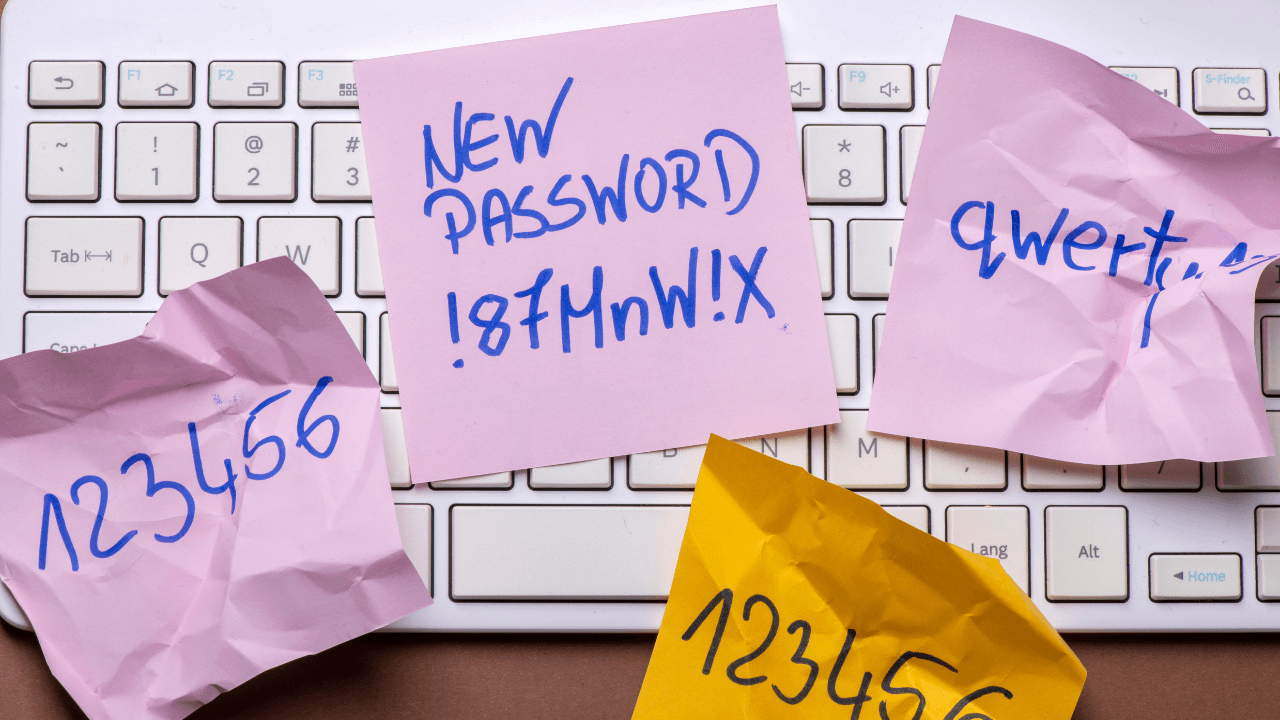
‍Another issue is the infrequent changing of passwords. Most users don't change their passwords unless platforms make it mandatory. However, users also have valid reasons for this behavior. Constantly changing passwords, especially for multiple platforms, can be quite cumbersome. Isn't it odd to tape your updated passwords on your refrigerator in this digital age?

‍Most Commonly Used Passwords

‍You won't believe it, but according to a study analyzing 15 billion passwords, the top 10 most commonly used passwords are still as follows:


123456
123456789
qwerty
password
12345
qwerty123
1q2w3e
12345678
111111
1234567890

Not too hard to guess, is it?

‍Many passwords consist of birthdays and names
To make passwords easy to remember, internet users often continue to use birthdays and names. 59% of users create passwords based on names or birthdays. 33% use their pets' names, while 14% use their children's names as passwords. Considering the information we share on social media, accessing birth dates and names is child's play!


A tip for scammers: if the child's name doesn't work, try the grandchildren's name. Given the prominence of grandchild names among the boomer generation, it will work 99%!


Multi-factor authentication

‍It's been a widely recognized fact for a long time that passwords consisting of letters and numbers alone are not enough. Therefore, multi-factor authentication has been implemented almost since the inception of passwords. Do you remember the security questions like "What is the name of your first pet?" or "What is the name of your elementary school teacher?" when you forget your password? The answers to these questions have become relatively easy to access. Consequently, knowledge-based authentication is gradually becoming obsolete.

You may be interested: What is pay by face?

The use of SMS verification

‍In addition to knowledge-based authentication, adding supplementary verification methods has become common practice. Especially when a user wants to access his accounts from different devices, usage of these methods becomes even more crucial. Generally, websites perform two-factor authentication by sending an SMS to the registered phone number. However, we can't claim that this method is entirely secure either. After all, who can guarantee that the phone receiving the SMS won't be stolen?

‍The password management market will reach 3 billion dollars in 2027 With the growing importance of password management, the cybersecurity market in this domain continues to expand. The market's annual growth rate is 20.7%, and the rate of growth is expected to increase.


Biometric authentication is the most secure form of identity verification!

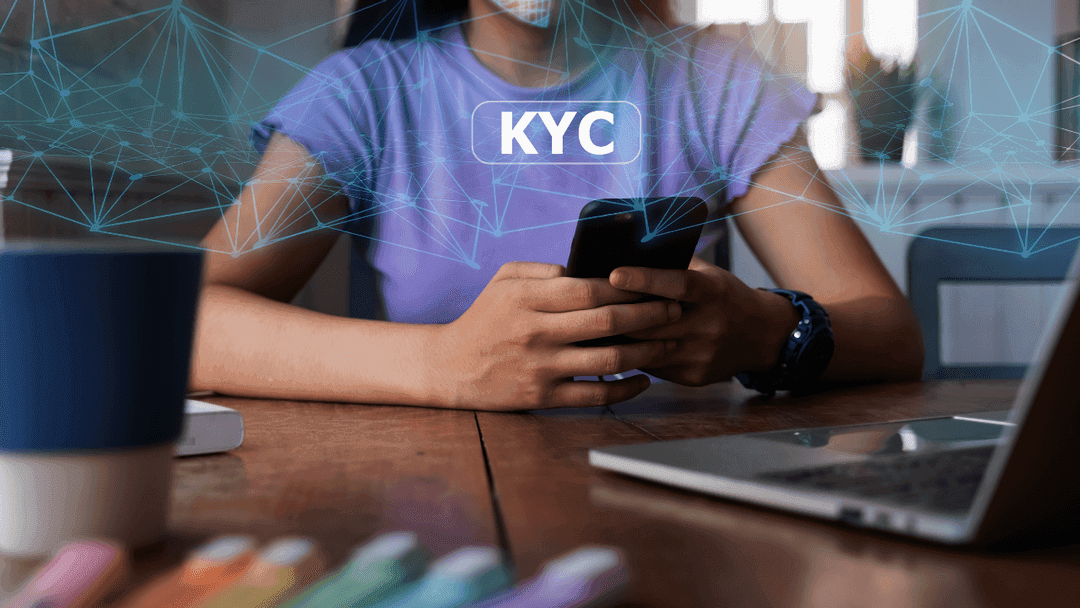
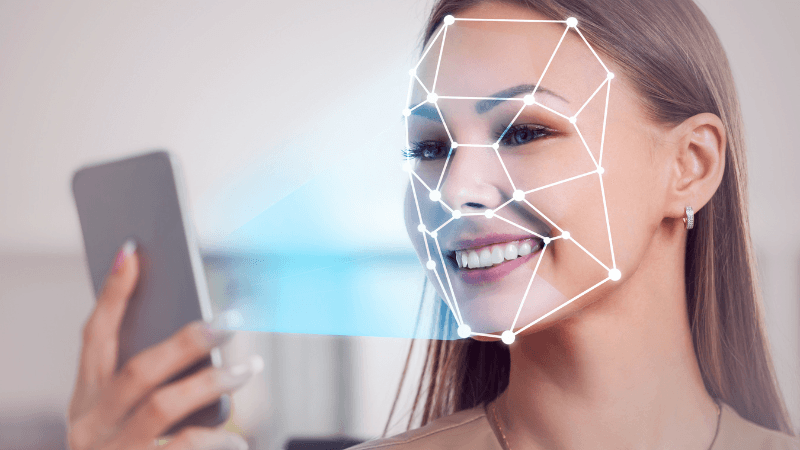
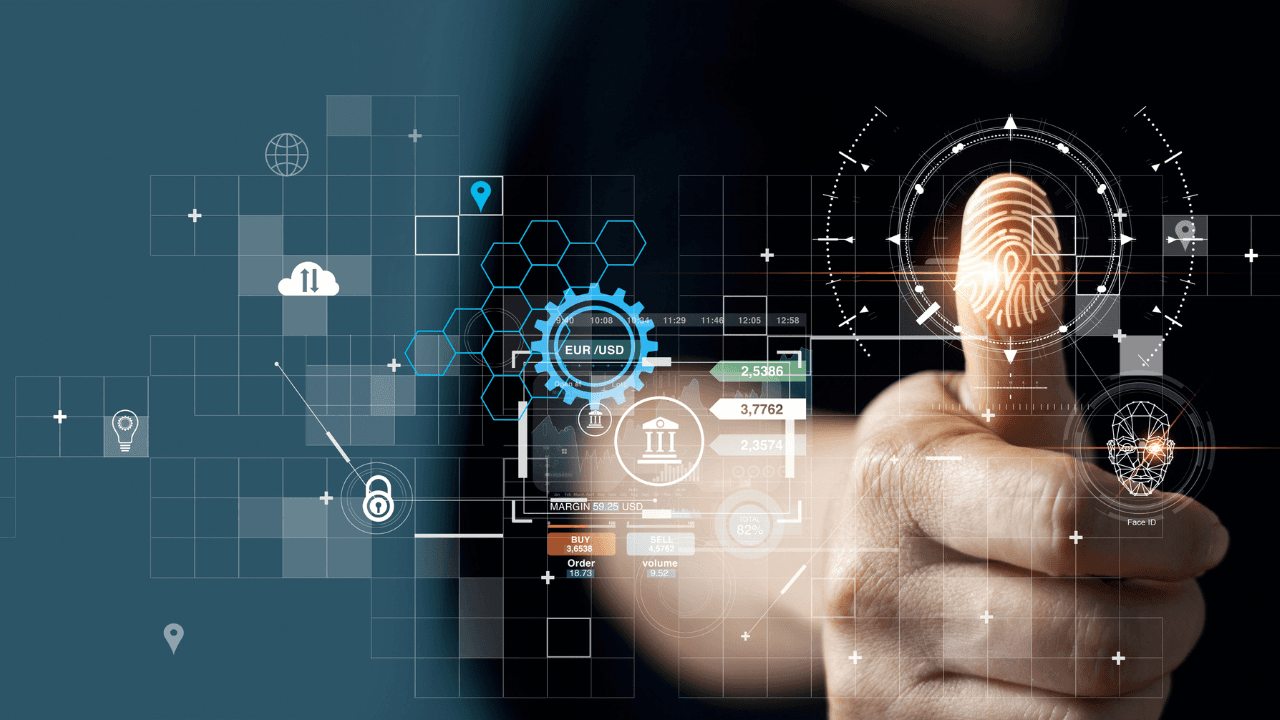
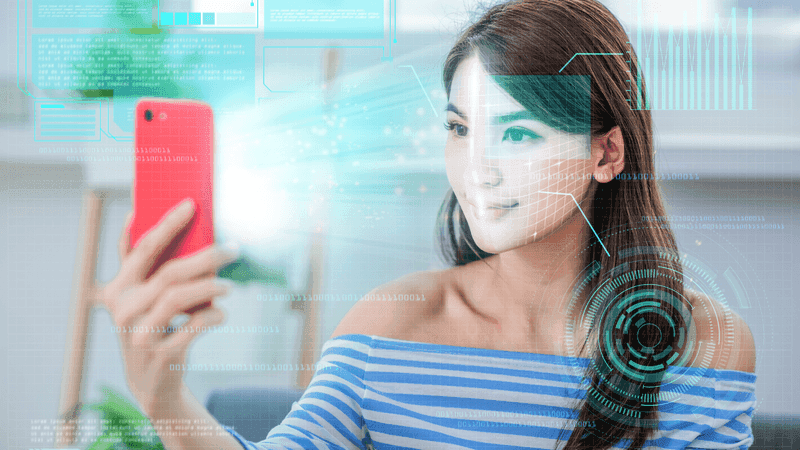
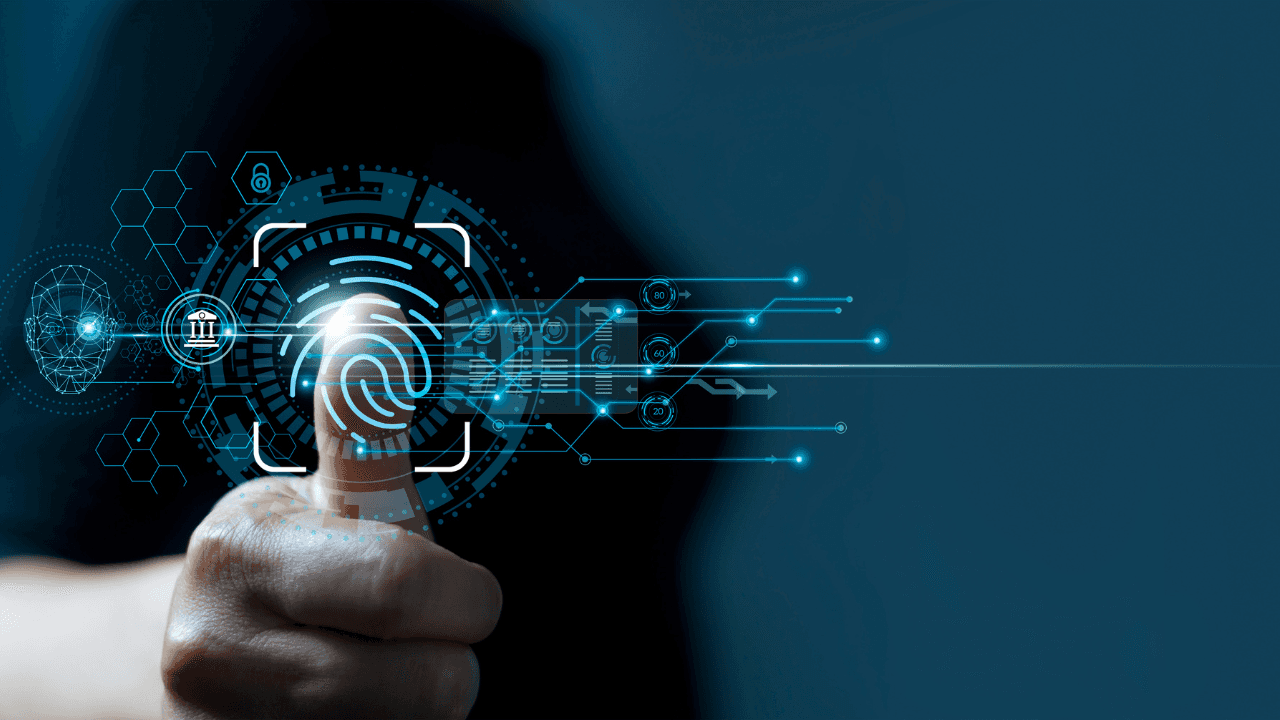
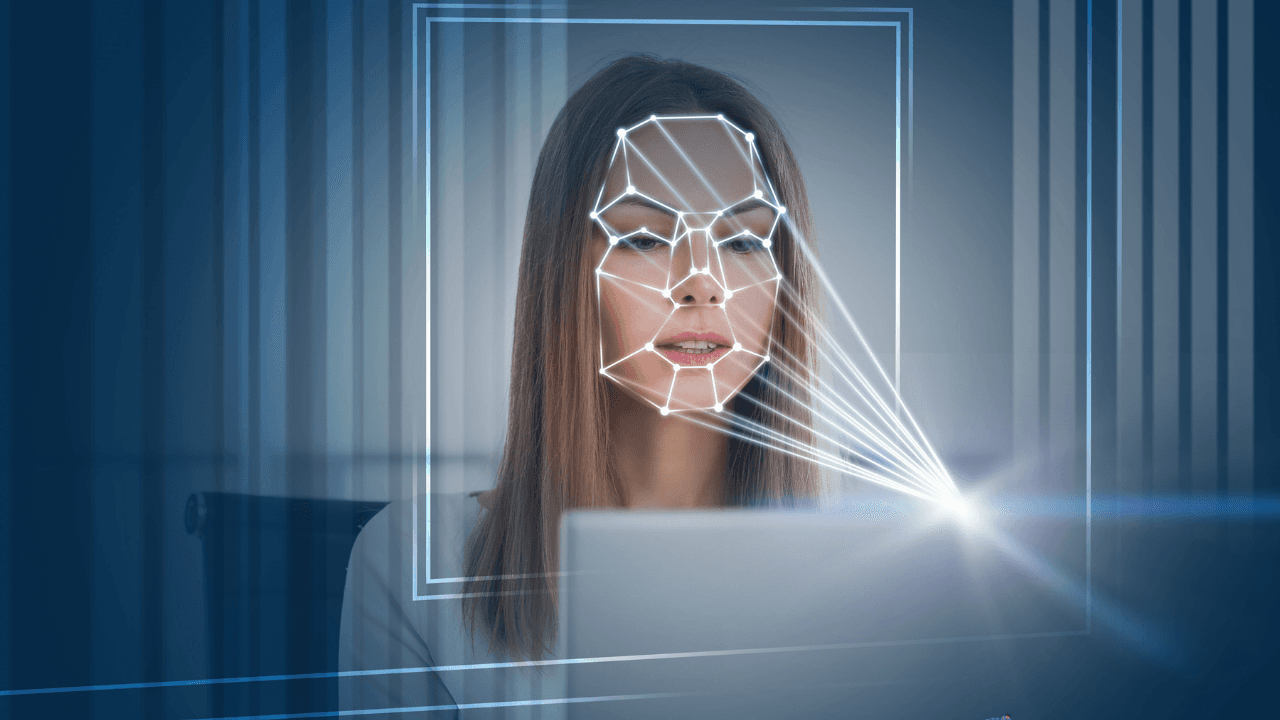
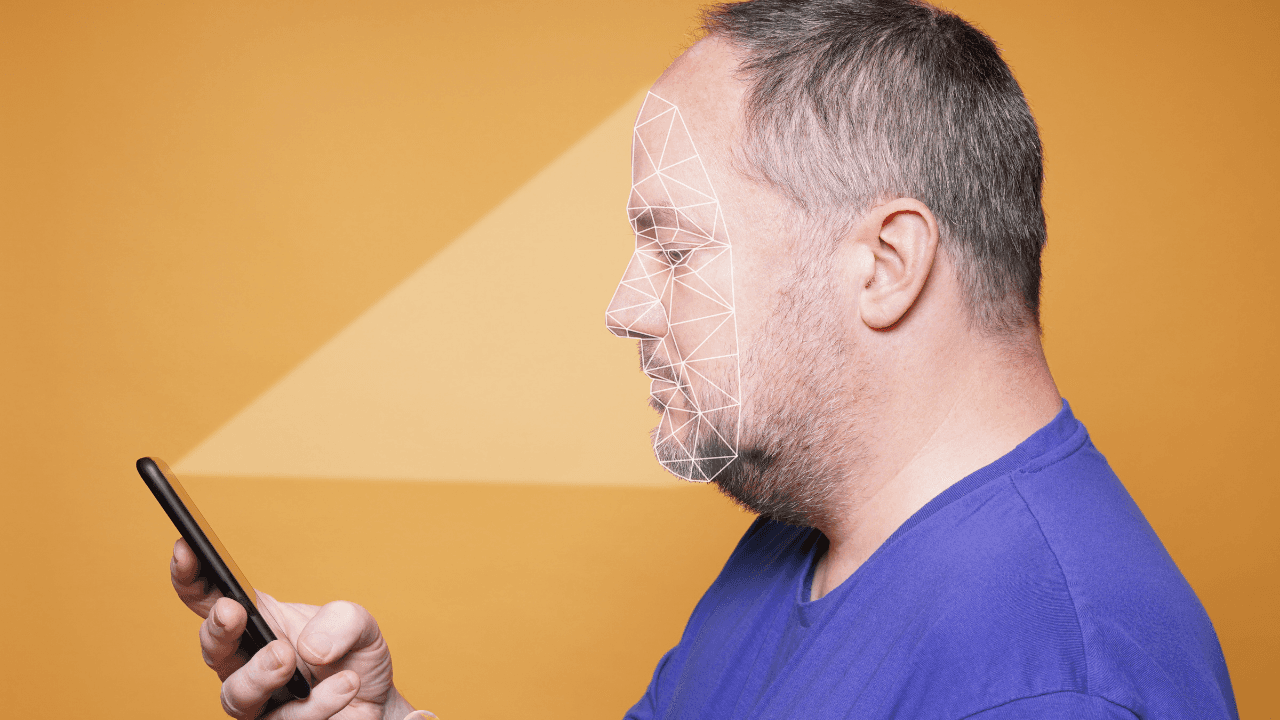
‍Remote Know Your Customer (KYC) verification gained unprecedented importance during the 2019 COVID-19 pandemic. Processes in various sectors, from finance to education, shifted to remote operations. This practice has become a permanent fixture in virtually every society, even after the end of the pandemic. Experience gained since those days has shown that biometric verification is the most secure form of identity verification. Biometric data cannot be forgotten, imitated, or stolen. There are multiple ways to perform biometric verification, such as fingerprint, iris, and voice recognition, but facial recognition is the most commonly used. After all, we've all learned how to take a selfie on our smartphones, right?

‍During facial recognition, a liveliness test is also required. Malicious users might attempt to use photos or videos for accounts they don't own. The liveliness test is created to prevent this. Directives like "turn your head to the right, now to the left, blink your eyes, come a bit closer" can be somewhat annoying, but they are necessary to detect videos produced with deepfake technology.

Why is Techsign the right solution for identity verification?

There seems to be a misconception that verifying a customer's identity is only a concern for the financial sector. However, the risk of password theft exists for any platform that requires a password for entry. This implies that secure identity verification systems are needed across all industries.
So why should you trust Techsign for your identity verification processes? Techsign is the company with the highest number of facial recognition transactions in Turkey. A higher transaction volume means that artificial intelligence detecting fraud encounters a broader range of fraudulent techniques, leading to better training and higher success rates. Techsign's facial recognition score above 99.5% confirms this.

‍Working with Turkey's pioneering companies, Techsign is well-versed in the country's and the world's sectoral needs and legal requirements. As a result, they can assist in designing solutions tailored to their customers' needs.

‍Techsign solutions can be customized to match customer requirements. This feature allows customers to purchase only the modules they need, preventing them from burdening themselves with unnecessary financial costs.

‍If you want to enhance your customers' account security and provide better experiences, contact us now!

SHARE

BLOG

Digital Signature Types

Not all digital signatures are the same. Learn the legal distinctions between electronic, advanced, and biometric signatures—and how Techsign’s compliant, white-label biometric solution simplifies secure, remote signing for modern businesses.

Reycan Çetin // Growth Manager @Techsign

Are Our Passwords Secure Enough? How Will Password Usage Change in the Future?

Weak passwords cause 30% of data breaches—and “123456” is still widely used. Learn why multi-factor and biometric authentication are the future, and how Techsign secures digital access with AI-powered, customizable identity solutions.

Barış Korkmaz

How Much Return Do KYC Solutions Provide? ROI Calculations

KYC & ID Verification solutions drive ROI by reducing costs, boosting productivity, and improving digital security. With Techsign’s AI-powered tools, businesses streamline customer onboarding, ensure compliance, and unlock new digital potential.

Mehmet Nuri Aybar // Senior Business Development Consultant

Incubation and Acceleration Programs That Can Help Startups

Incubators and accelerators guide startups from idea to growth, offering funding, mentorship, and more. Learn the key differences, top global programs, and Techsign’s own journey from early incubation to global acceleration success.

Reycan Çetin // Growth Manager @Techsign

Deepfake Threat in Identity Verification for Financial Systems

Deepfake tech is now a serious threat to financial systems, enabling fraudsters to bypass ID checks and liveness tests. Learn how attacks evolved—and how Techsign’s AI-powered security stays one step ahead of even the most advanced Deepfakes.

Reycan Çetin // Growth Manager @Techsign

What is Deepfake, why is it dangerous? How will we fight against the threats created by Deepfake?

Deepfake uses AI to alter real content—posing growing risks from identity fraud to political manipulation. Learn how it works, why the human eye fails to detect it, and how AI-driven defenses are our best hope to counter its evolving threats.

Osman S. Aktepe // Software Architect

Crypto Currencies, Security Problems, and Solutions

Crypto offers speed and flexibility—but also raises security concerns. Learn how Techsign’s AI-powered KYC tools, including face recognition and deepfake-resistant liveness checks, help crypto firms stay compliant and secure in a high-risk landscape.

Reycan Çetin // Growth Manager @Techsign

What is Pay-by-Face / Where Can It Be Used / How Does It Work?

Pay-by-face enables secure, fast, device-free payments using facial recognition. Learn how Techsign’s AI-driven system protects biometric data, prevents fraud, and reshapes user experience—without storing your actual face image.

Reycan Çetin // Growth Manager @Techsign

How Can Technology Help To Build Safer Micro Mobility Solutions?

Micro-mobility is rising—but safety and regulation must keep up. Discover how Techsign’s KYC tools like OCR, face recognition, and age verification can help cities and scooter firms create safer, smarter, and more inclusive transport systems.

Reycan Çetin // Growth Manager @Techsign

The Difference Between AML and KYC: Understanding Two Vital Components of Financial Security

AML and KYC are vital to financial security—while KYC verifies identity, AML prevents money laundering. Learn how Techsign’s AI-powered, legally compliant KYC solutions simplify remote onboarding with secure document and biometric verification.

Reycan Çetin // Growth Manager @Techsign

Should KYC Processes be Solved with Your Own Resources or Outsourced?

Should you build your own KYC system or work with a trusted provider? Discover the pros and cons of each path—and how Techsign’s expert solutions can reduce risk, save time, and ensure compliance in today’s fast-moving digital landscape.

Barış Korkmaz

How to Do KYC Verification? How Does KYC Work?

KYC is no longer just for banks—it's now vital in sectors from healthcare to gaming. As digital onboarding grows, AI-powered KYC ensures secure, compliant, and seamless user experiences across industries. Discover where it’s heading next.

Reycan Çetin // Growth Manager @Techsign

Identity Verification Methods - 5 Different Methods

Biometric authentication is rising—but no method is flawless alone. Learn why multi-factor authentication is essential, how each method compares, and how Techsign combines AI-powered biometrics with layered security for reliable identity verification.

AI Agents in Remote Know Your Customer

Video calls once secured remote onboarding—but deepfakes and high costs changed the game. Discover how Techsign’s AI agents offer faster, safer, and more scalable identity verification, detecting fraud beyond what the human eye can catch.

Reycan Çetin // Growth Manager @Techsign

Confusing Deepfake Examples from 2023 and 2024

From fake Elon Musk speeches to Tom Cruise TikToks, deepfakes are more realistic—and risky—than ever. Explore recent examples, the dangers they pose, and how tools like Techsign’s Fake Finder help uncover what’s real and what’s not.

Reycan Çetin // Growth Manager @Techsign

Quantum-Resistant Cryptography in Identity Verification

Quantum computing could break today’s encryption—but quantum-resistant cryptography offers hope. Explore why securing digital identities now is key, and how the tech world is preparing for a future where quantum threats are real.

Serkan Fergan

Differences Between Cheapfake and Deepfake and the Threats They Pose in Identity Fraud

Cheapfakes and deepfakes both threaten identity systems—but in different ways. Learn the key differences, how each is used in fraud, and why Techsign’s AI-powered liveness detection and multi-factor tools are essential for digital security.

Reycan Çetin // Growth Manager @Techsign

Fraud as a Service (FaaS): Committing Fraud Has Never Been This Easy!

Fraud is now a service—sold with tools, support, and guides to anyone online. Learn how FaaS is reshaping cybercrime and how Techsign’s AI-powered, risk-based authentication helps businesses stay protected in this new era of digital fraud.

Reycan Çetin // Growth Manager @Techsign

Deepfake Scams: A New Threat in the Digital World

Deepfake scams are on the rise—from romance fraud to KYC bypass attempts. Learn how scammers exploit AI to deceive individuals and institutions, and how Techsign’s detection tools help uncover fake content before it’s too late.

Reycan Çetin // Growth Manager @Techsign

We can find the solution you need together.

Contact us to find suitable solutions for your company that are shaped by your sector, scale, and geographic region.

Let's connnect to find the solution
you need together!

Teknopark No:1/1C, Office: 1301 34906
İstanbul/Türkiye


t. +90 (216) 510 2761

m. info@techsign.com

Copyright 2025 © Techsign

We can find the solution you need together.

Contact us to find suitable solutions for your company that are shaped by your sector, scale, and geographic region.

Let's connnect to find the solution
you need together!

Teknopark No:1/1C, Office: 1301 34906
İstanbul/Türkiye


t. +90 (216) 510 2761

m. info@techsign.com

Copyright 2025 © Techsign

We can find the solution you need together.

Contact us to find suitable solutions for your company that are shaped by your sector, scale, and geographic region.

Let's connnect to find the solution
you need together!

Teknopark No:1/1C, Office: 1301 34906
İstanbul/Türkiye


t. +90 (216) 510 2761

m. info@techsign.com

Copyright 2025 © Techsign